CHEYENNE — During their September meetings, the Wyoming Game and Fish Commission and the Wyoming Department of Transportation Commission approved using Wildlife Conservation License Plate funds to extend the Trapper’s Point fence project along U.S. Highway 191 near Pinedale. This makes the Trapper's Point extension the first project to draw from the plate's revenues.
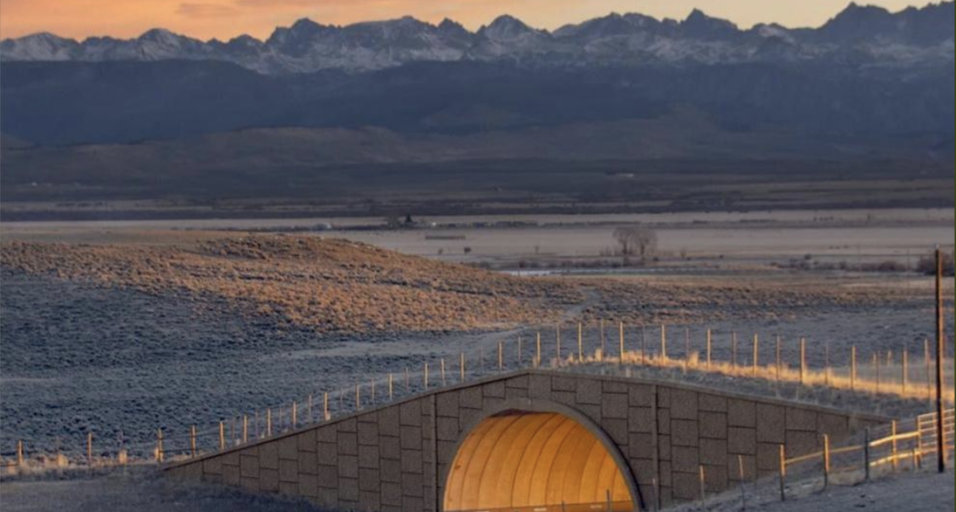
The Trapper’s Point fence project was completed in 2012, and it included two overpasses, six underpasses and 24 miles of 8-foot-high-fence. The extension of the project will add 1.4 miles of 8-foot-high fence to effectively lead wildlife to the Trapper’s Point overpass and discourage wildlife from entering the highway in a high-speed zone.
The project is located near the Sublette Mule Deer Migration Corridor and mule deer Crucial Winter Range, which provide important habitat supporting the Sublette mule deer population.
“We see the most wildlife collisions in this area during the winter,” said Jill Randall, Wyoming Game and Fish Department migration coordinator based in the Pinedale Region.
In 2018, the Wyoming Legislature passed House Bill 39 which created the Wildlife Conservation License Plates. Revenue garnered through these license plate sales go directly to projects that reduce wildlife-vehicle collisions across Wyoming. These projects include building wildlife crossings, improving road signage to alert drivers of wildlife in the area and fencing projects.
Since its launch in 2019, Wyoming has issued more than 8,700 conservation license plates for wildlife crossing projects. When combined with other donations from Wyoming drivers, a total of $3.4 million has been raised for wildlife projects around the state.
In partnership with the Wyoming Department of Transportation, Wyoming Wildlife and Natural Resource Trust, Pinedale Anticline Project Office, Wyoming Governor’s Big Game License Coalition and Game and Fish, construction of the fence extension will be completed next summer.
“WYDOT has a very specific mission of keeping our roadways safe for people, and Game and Fish has a specific mission related to conserving wildlife,” Randall said “The way we can meet both of our missions is to reduce wildlife collisions on the highway. We’re excited to have an opportunity to use these funds for a project that is going to have an immediate impact on saving mule deer from getting hit on the road and improving motor safety.” Randall said.
To purchase a wildlife conservation license plate, visit your local treasurer's office to apply. Initial payment for the plate includes a $150 wildlife conservation fee and a $30 specialty plate fee. Visit our website to learn more about wildlife crossings, and the Wildlife Conservation License Plates.
—WGFD —