LARAMIE – After a winter of record-low precipitation and unseasonably warm temperatures, the Wyoming Game and Fish Department is closely monitoring habitat conditions and wildlife impacts across the state.
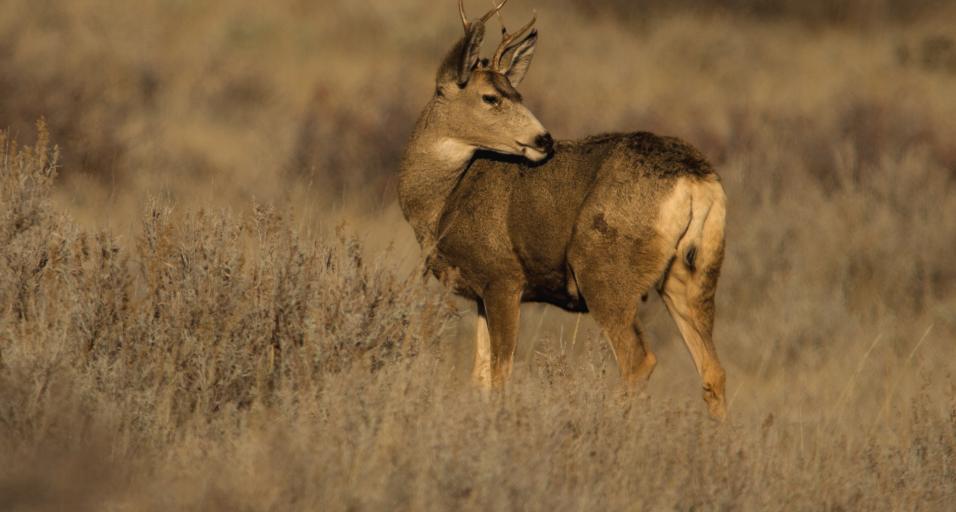
The lack of consistent snowpack at lower elevations led to an unusually early spring “green-up,” or resulted in no significant green-up at all in places, especially across southeast Wyoming. While the mild winter and early growth of vegetation led to high winter survival, wildlife managers are concerned about how long those nutritious forage conditions will last, even with the slight uptick in moisture that has fallen this spring. Limited deep soil moisture is expected to reduce annual production of important shrubs used by pronghorn and mule deer.
Biologists expect that a shortened window of high-quality forage could lead to lower fawn survival and reduced weaning weights this fall, as females face high nutritional demands while raising young and preparing for winter.
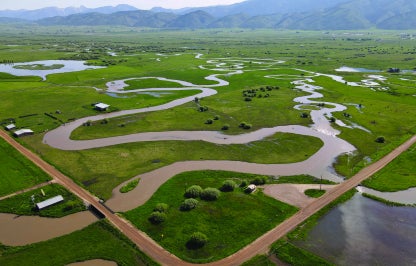
Wetlands and riparian areas may also experience lower-than-normal water levels this year. These areas serve as important “sponges” on the landscape, providing water, food and cover for a wide variety of wildlife species, as well as recharging aquifers that supply streams.
As smaller, ephemeral streams dry up, wildlife will increasingly concentrate around livestock tanks, irrigated agricultural lands and other dependable water sources. This can increase wildlife conflicts and damage concerns on private lands.
Game and Fish uses a variety of management tools to maintain healthy populations, but hunters and landowners are also an essential component in sustaining herds and habitats. By adjusting the structure of hunting seasons, managers can partner with hunters and landowners to reduce wildlife conflicts and help maintain herds at carrying capacity. This year, managers in southeastern Wyoming increased a number of license types for this reason, including many pronghorn opportunities as well as maintaining unlimited Type 8 cow/calf elk licenses in several areas.
Habitat counts
To improve long-term drought resilience, Game and Fish is executing several habitat improvement projects in 2026. Three beaver dam analog projects and spring protection efforts will protect water sources for both wildlife and livestock. Following treatment of more than 50,000 acres of cheatgrass in 2025, additional aerial herbicide treatments are also planned at the Thorne-Williams and Laramie Peak Wildlife Habitat Management Areas to ensure native vegetation has the best possible chance to recover when moisture returns.
You can help too
Residents and recreationists can also help wildlife during dry conditions by:
- Giving wildlife extra space and avoiding repeated disturbance.
- Keeping dogs under control, especially near wetlands, riparian areas and crucial summer habitat.
- Reporting sick or unusually stressed wildlife to local Game and Fish personnel via the Stop Poaching Hotline or to 1-877-WGFD-TIP.
- Volunteering for habitat improvement projects or picking up trash at favorite outdoor recreation areas.
Even during difficult drought conditions, habitat improvement efforts, responsible recreation and public lands stewardship can help Wyoming’s wildlife remain resilient.