CASPER-The Wyoming Game and Fish Department’s Casper Region is conducting aerial cheatgrass treatments this summer and fall. These efforts aim to curb the spread of the highly invasive annual grass and restore vital rangelands for Wyoming’s wildlife.
Why cheatgrass is bad for wildlife
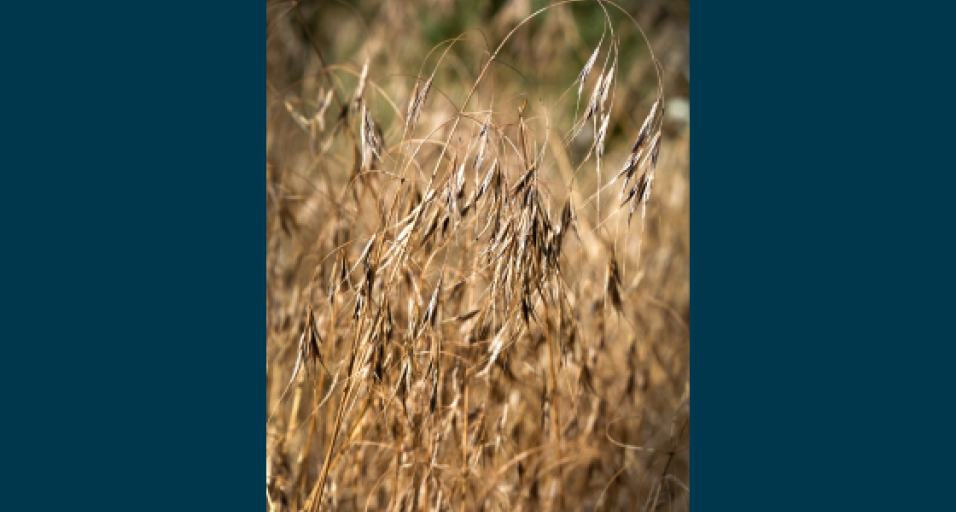
Cheatgrass (Bromus tectorum) is one of the most aggressive threats facing Wyoming’s native ecosystems. While it provides a brief flash of green forage in the early spring, it quickly matures, turns a distinctive purple in color, and bleaches out into a dry, straw-like state by mid-summer. For the vast majority of the year, it offers no nutritional value or shelter for wildlife.
The ecological impacts of this invasion can be devastating to Wyoming's native landscapes. The lack of nutrients, outcompeting native bunchgrasses, wildflowers and other forbs, as well as sagebrush to create a biological monoculture. This loss of diverse vegetation degrades critical habitats, stripping away the essential forage that mule deer, pronghorn, bighorn sheep, and elk rely on to survive harsh winters. Furthermore, once cheatgrass dries out, it forms a continuous mat of highly flammable, flashy fuel. This dramatically increases the frequency and intensity of wildfires, which destroy slow-growing native shrub communities, like sagebrush habitats, that can take decades to recover.
How cheatgrass is treated
To combat this invasive species across large, rugged landscapes, Game and Fish uses targeted aerial herbicide applications by helicopter. Treatments are strategically scheduled for different times of the year depending on the stage of cheatgrass growth, either germination, active growth or heading into dormancy.
Where cheatgrass will be treated
Casper Game and Fish will be treating areas in Bates Hole/Shirley Basin off of Wyoming Highway 487, with several other areas being treated across Wyoming.
What outdoor recreationists can expect this season
If you plan to hike, fish, or explore public lands in the Casper area, you can expect to see and hear helicopters flying low-altitude patterns over designated treatment zones.
What you can do to help fight cheatgrass
- Clean your gear: Thoroughly brush off boots, clothing, gear, and pets before leaving the site to remove hitchhiking seeds.
- Clean your vehicles: Wash the tires, wheel wells, and undercarriages of trucks, ATVs, and mountain bikes to avoid transporting seeds into uninfested areas.
- Stay on designated trails: Avoid driving or walking off-road or through known infestations, which easily scatter seeds and allow cheatgrass to take hold in newly disturbed areas.
- Use certified weed-free forage: If traveling with pack animals, always use certified weed-free hay or pellets to prevent the introduction of weeds into pristine backcountry habitats.