
CHEYENNE — Hunting season has arrived in the Cowboy State. No matter the species or method of harvest, it’s wise to know and follow a few safety tips to make sure that dream hunt doesn’t turn into a tragedy.
“Our most common hunting-related accidents in Wyoming usually involve a vehicle — either loading firearms in or out of the vehicle or riding in the vehicle and accidentally bumping the trigger. The second most common involves obstacle crossing,” said Wyoming Game and Fish Department Hunter Education Coordinator Katie Simpson.
It is legal to drive with a loaded firearm in Wyoming, but it isn’t always safe. Simpson said the best way to ensure hunters are maintaining safety with a firearm in a vehicle is to unload and case the firearm. It may be a minor inconvenience, but it could prevent an injury or even a death.
As for being sure of your target and what’s beyond it, Simpson used an example near Cheyenne several years ago to demonstrate its importance.
A hunter was pursuing pronghorn and took a shot at one atop a ridgeline. The bullet missed the pronghorn, and traveled about a mile and hit a car driving along Interstate 80. No one was hurt, but the bullet broke a window.
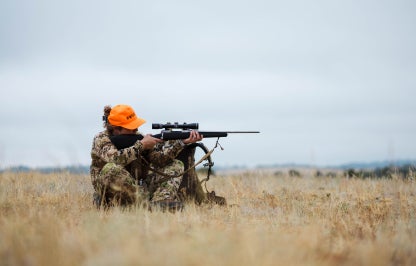
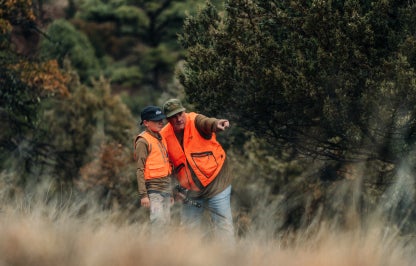
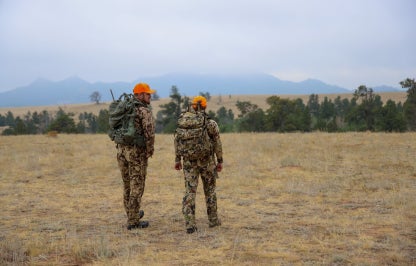
Hunters should also be aware of seasons happening simultaneous to theirs. There are times when big game archery and rifle hunters may be in the field at the same time. People hunting big or trophy game animals during an open firearm season are legally required to wear fluorescent orange or pink in the field, regardless of the weapon they are hunting with. Archers are not required to wear those colors while hunting during a special archery season or archery-only season.
Always remember the four rules of firearm safety:
- Treat every weapon as if it were loaded.
- Muzzle control.
- Know your target, and what's beyond.
- Keep your finger off the trigger until you are ready to shoot.
Other safety tips from Simpson include:
- Always tell someone where you’re going and when you plan to return.
- Bring more equipment than you think you’ll need, including more layers of clothing, food and water.
- Be aware of hypothermia and its symptoms. Simpson said exposure to hypothermia usually occurs to unprepared hunters when the ambient temperature is 40 to 60 degrees.
- If you get lost, stay put — whether on foot or in a vehicle. This is especially true if you’ve told someone where you’re at.
- Report any poaching or wildlife violations to any of the following:
- 1-877-WGFD-TIP.
- Text keyword WGFD and a message to TIP411 (847-411).
- Submit a tip online at https://wgfd.wyo.gov/stop-poaching.
-WGFD-