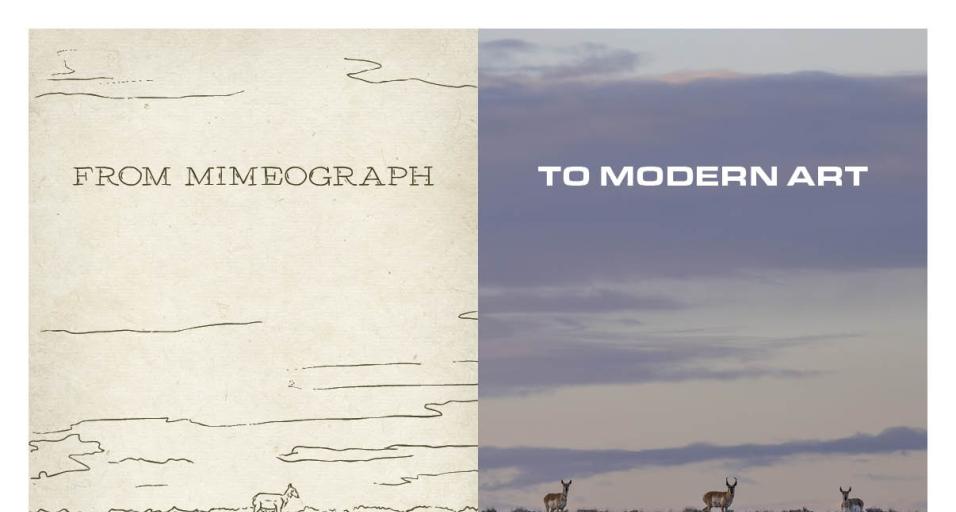
Wyoming Wildlife magazine has a storied past. First published in 1936, the magazine holds the distinction of being the nation’s oldest monthly state wildlife agency magazine. Though multiple newspapers in Wyoming predate it, Wyoming Wildlife remains the longest-running, continuously produced magazine in the state.

Across nine decades, the magazine has consistently adapted to the times, evolving in design, size, cost and content. As the magazine celebrates its 90th year, Wyoming Wildlife is unveiling another refreshed look. The redesign blends familiar favorites with new stories, pairing a modern, clean aesthetic with the enduring traditions that have shaped the magazine for nearly a century.
Through every iteration, Wyoming Wildlife’s commitment to sharing the stories of the state’s wild places and wildlife has remained consistent. The magazine continues to advance the Wyoming Game and Fish Department's mission of “Conserving Wildlife, Serving People.”
THE BEGINNING
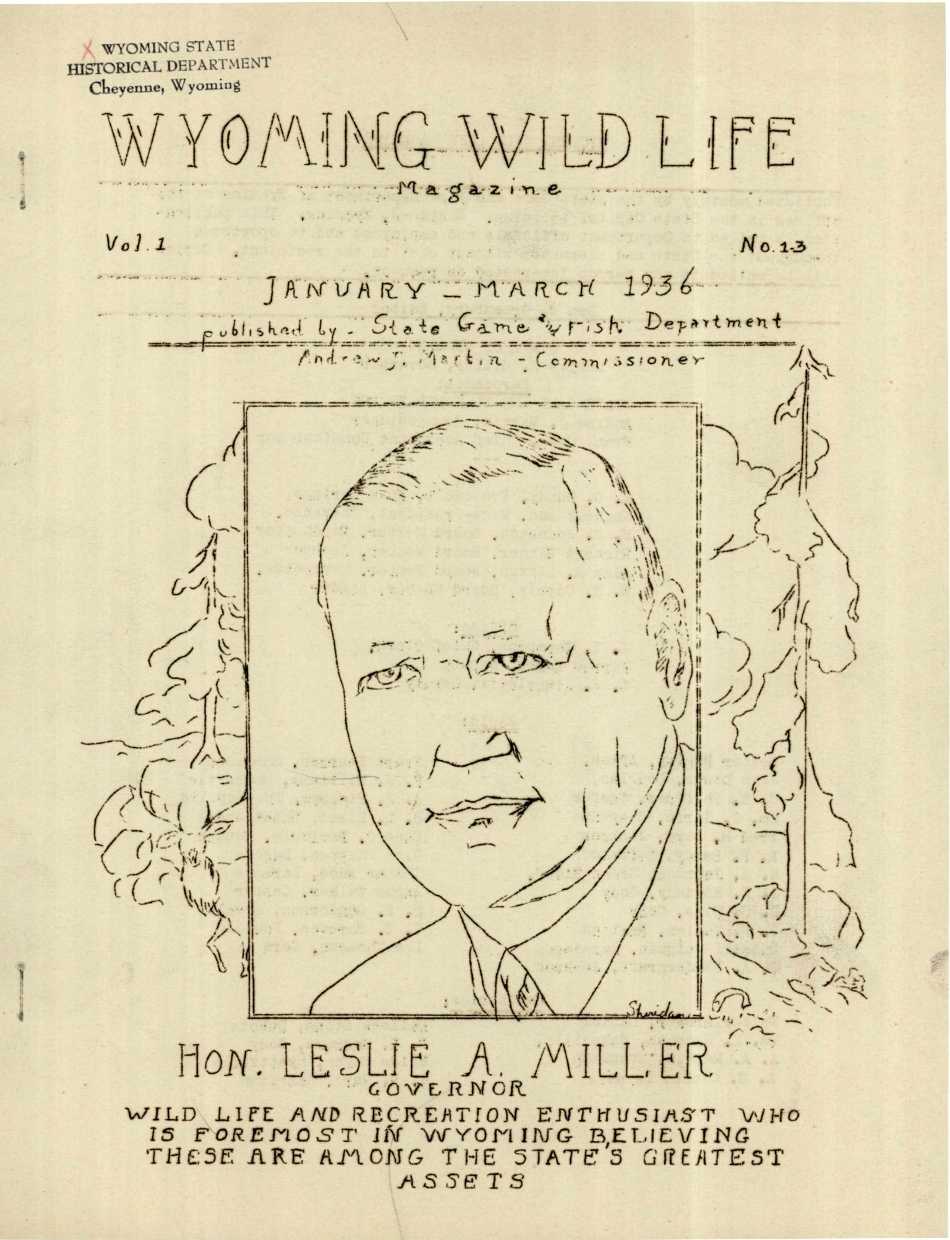
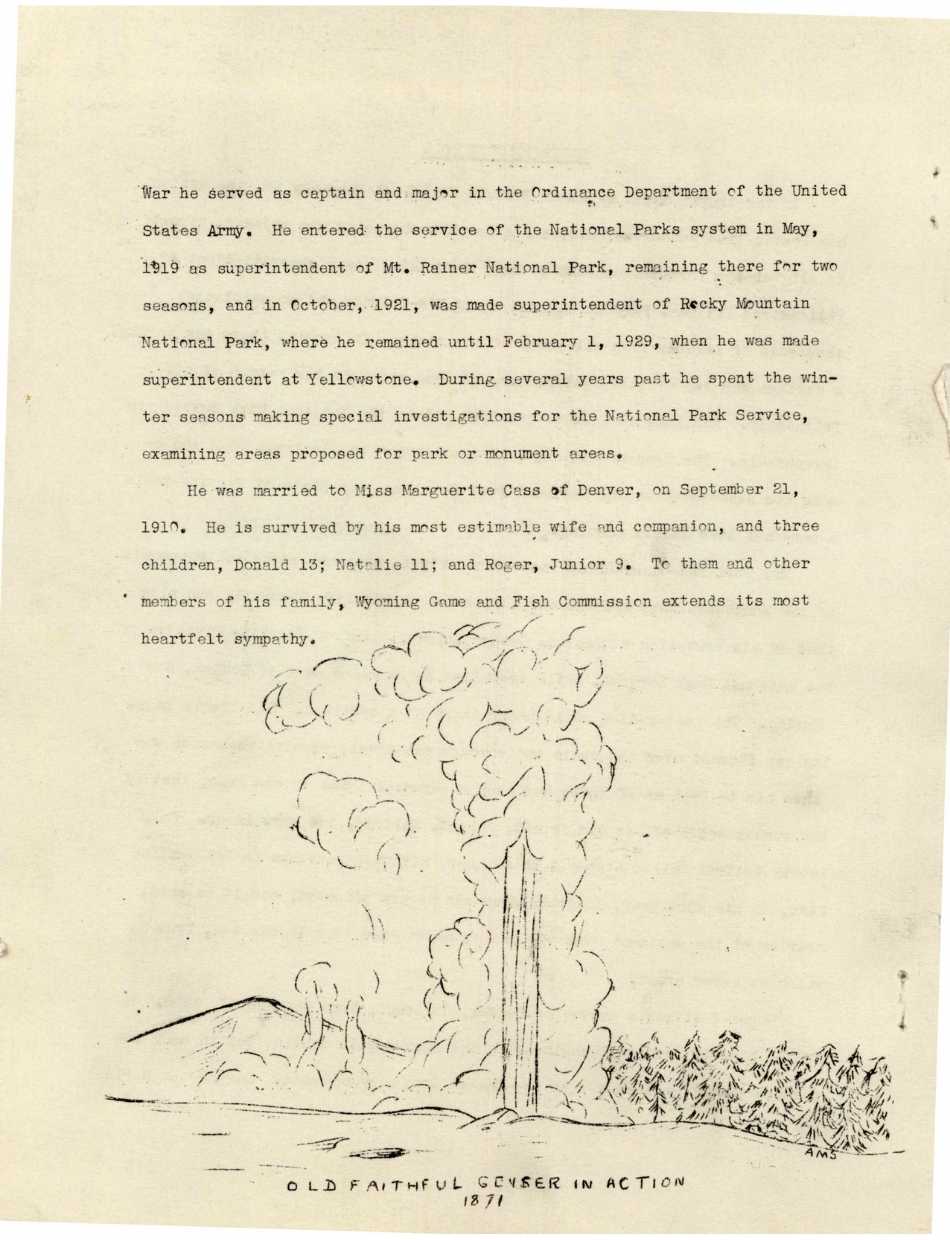
The first issue, which was titled Wyoming Wild Life, as three words, was published as the January–March 1936 edition. With 32 mimeographed pages and four illustrations, the first magazine was a simple publication. The cover featured a pen and ink drawing of then Wyoming Governor Leslie Miller, who was described as a “wild life and recreation enthusiast who is foremost in Wyoming believing these are among the state’s greatest assets.” A sketch of Old Faithful geyser graced the back cover.
Gov. Miller penned the first article, which appeared immediately following the cover and a listing of Game and Fish personnel.
“I think the decision of the Wyoming Game and Fish Commission to inaugurate a series of bulletins which will advise the citizens of the State of the work of the Department is to be commended,” Miller wrote in the opening paragraph. “I hope the information, which will thus be forthcoming to those interested in wild life matters will be another contribution to the movement which seems to be gaining nation-wide momentum looking toward the formation of sportsmen’s and nature-lovers’ associations to the end the concerted opinion of all people interested in such associations can be brought to bear in matters of legislation having to do with wild life conservation and propagation.”
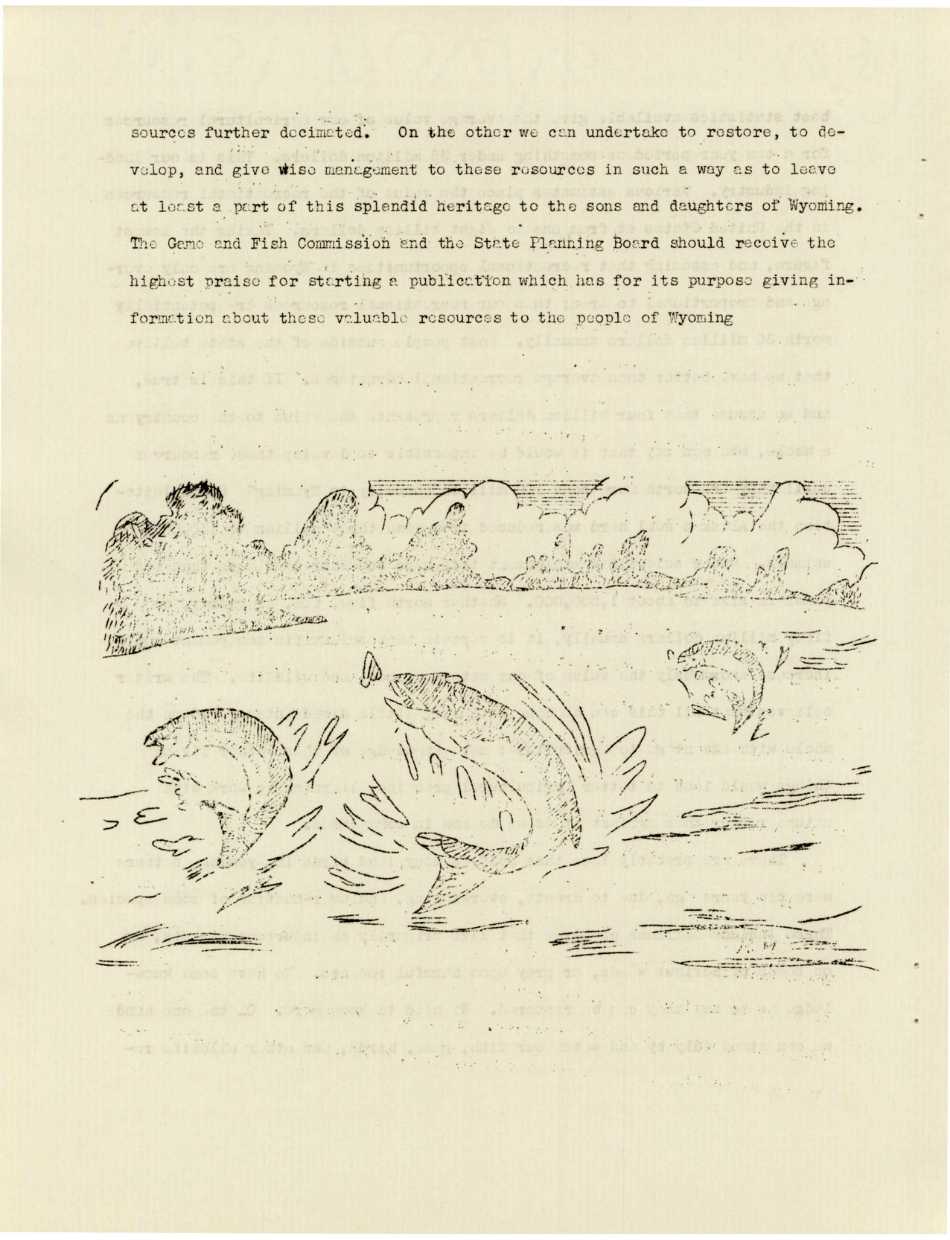
At that time, the magazine was mailed to Game and Fish officials, employees and “to sportsmen throughout the state and elsewhere.” There was no cost to recipients.
In his first column, also appearing in the inaugural issue, Game and Fish Commissioner Andrew J. Martin said the publication was intended to:
“… carry such educational material as will inform the public on the workings of the department; publish constructive articles on wild life conservation; briefly outline many of the rules and regulations of the department involving open and closed seasons; and generally to invite the cooperation of the public in the proper observance of our game and fish laws.”
In the closing paragraph of his column, Martin stated: “Nowhere in America are greater natural scenic beauty and charm nor more abundant wild life than may be found in Wyoming. We hold a premier place in the Nation as a sportsman’s paradise. It is a duty we owe our neighbors as well as ourselves that we guard well our heritage.”
The first issue contained multiple articles, including a fishing forecast, a description of the inclusion of a new wildlife curriculum for the state’s 4H program, a call to a wildlife conference in Casper by the governor, a summary of hatchery activities and more.
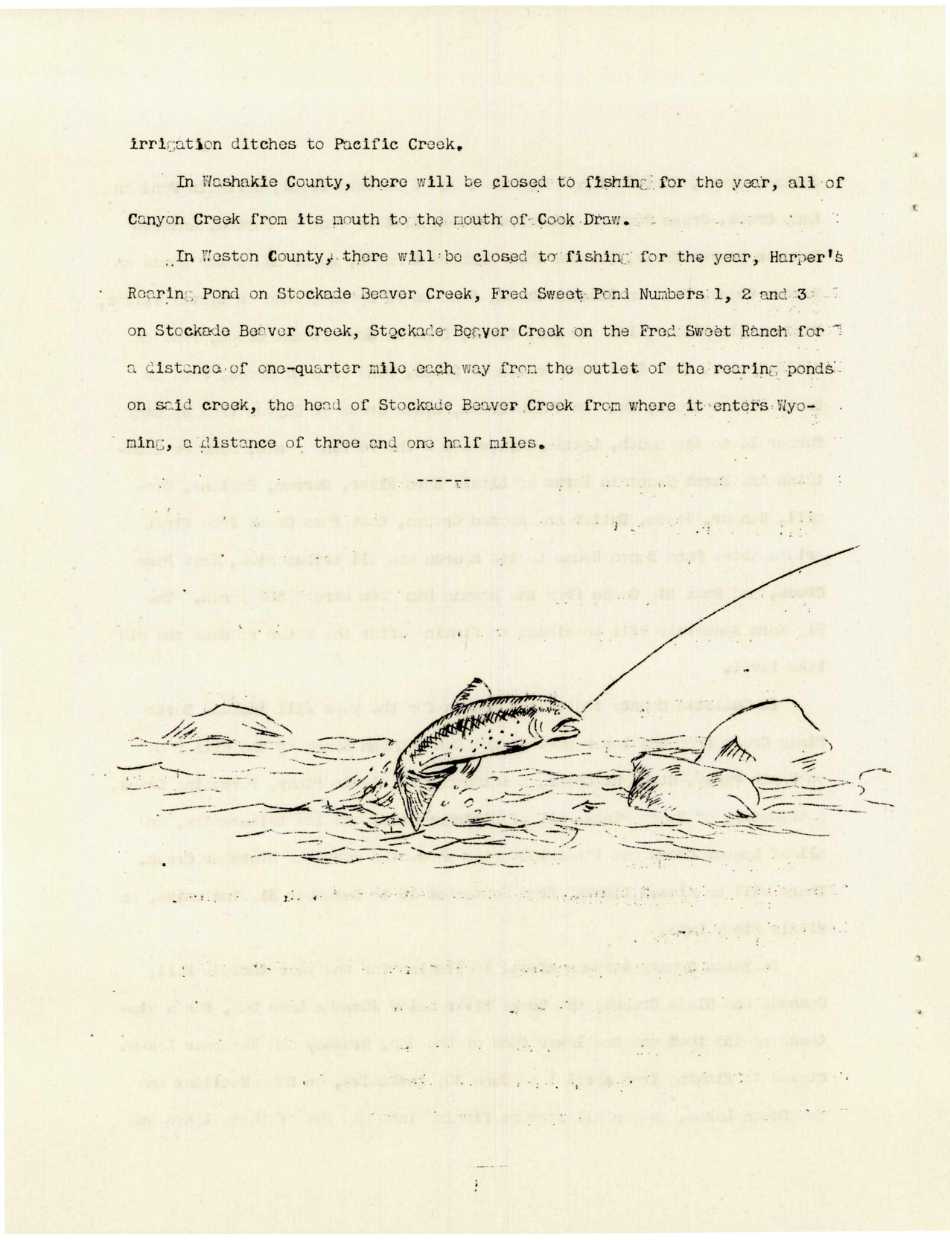
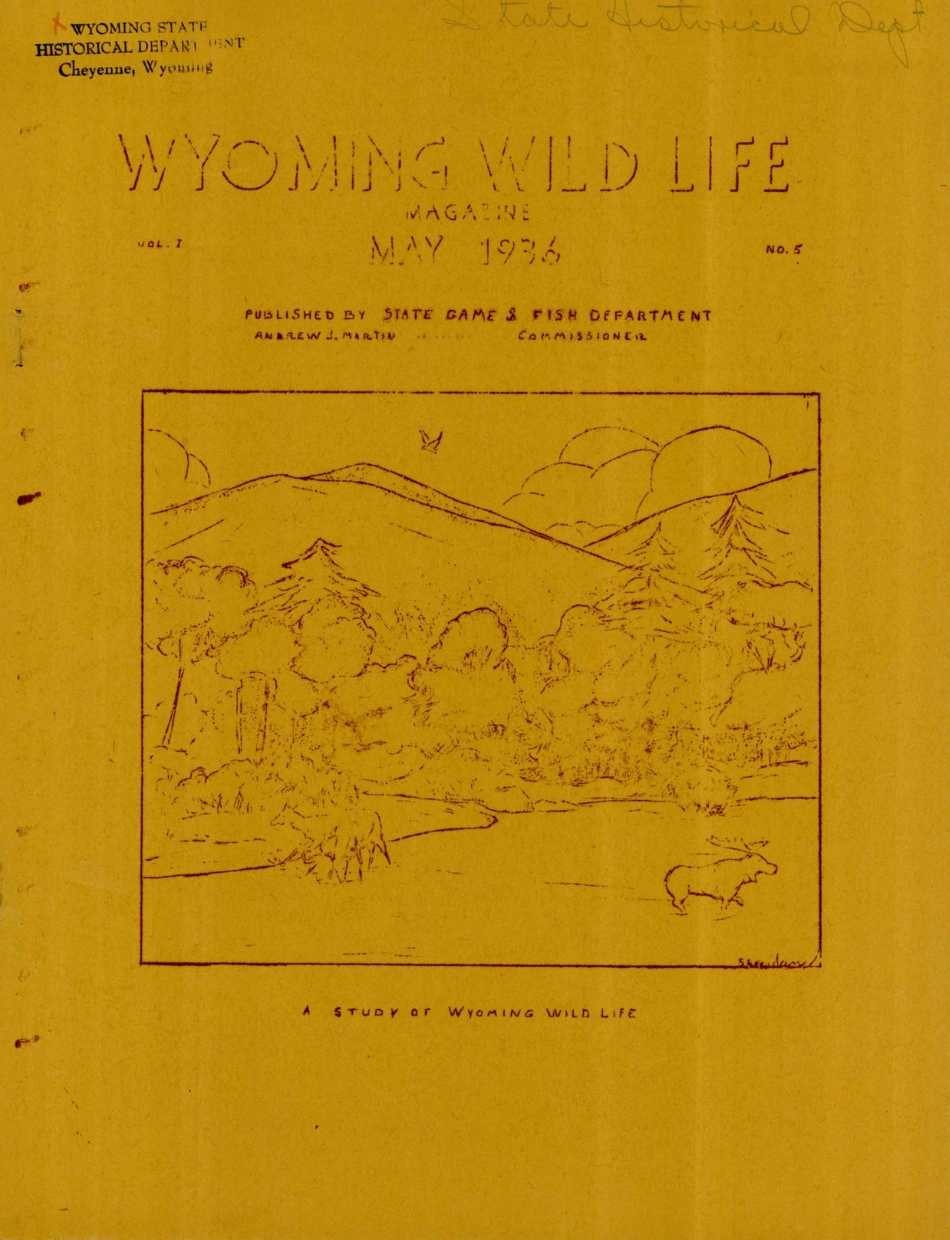
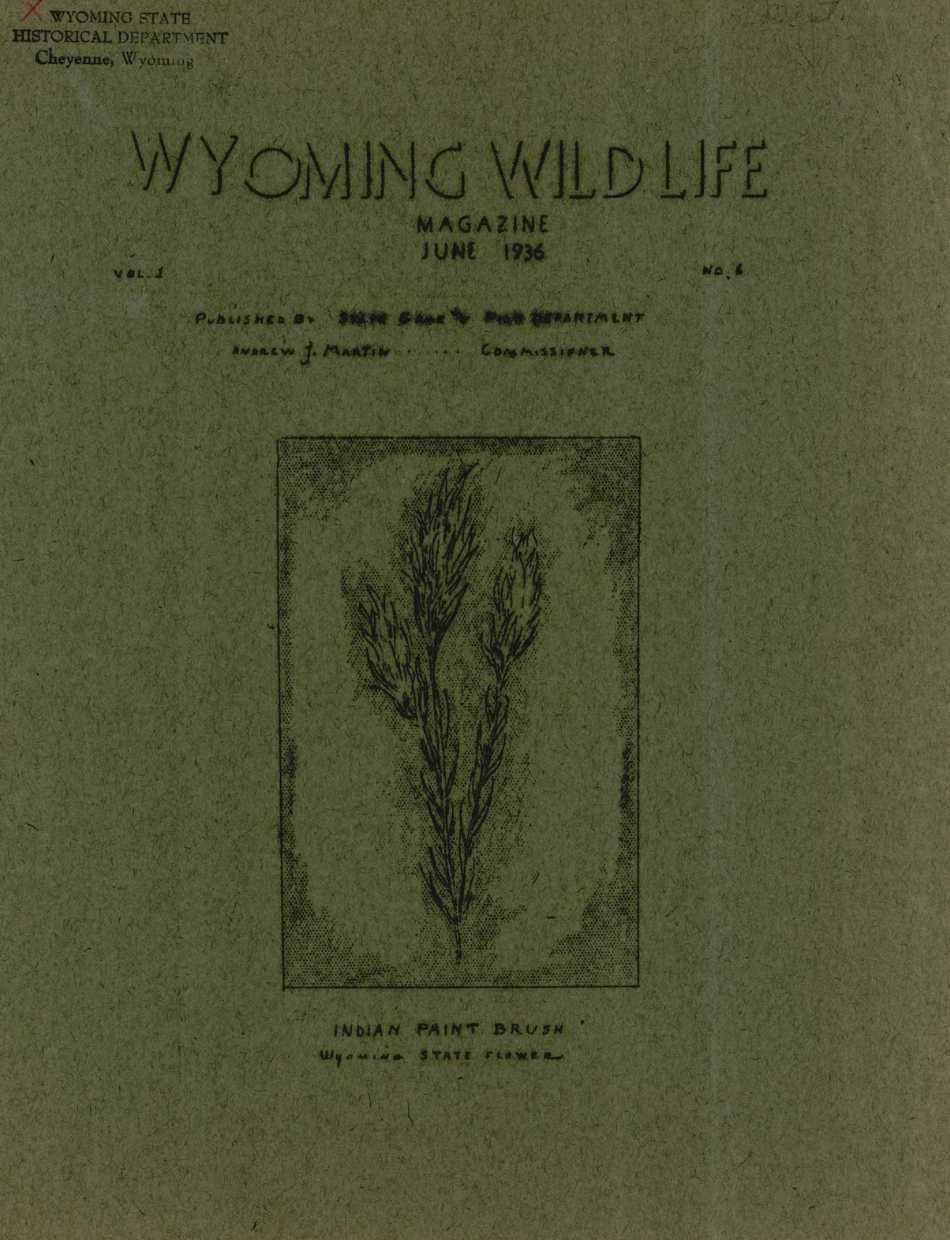
Wyoming Wild Life published 10 issues that year, each with a different colored construction paper cover. The covers depicted various wildlife, flora or landscapes, including a bull elk in the October issue, an Indian paintbrush for June and a mountain scene with moose and elk for May. All of the first year’s issues were shorter than the debut magazine of 32 pages, instead providing readers with 24–26 pages.
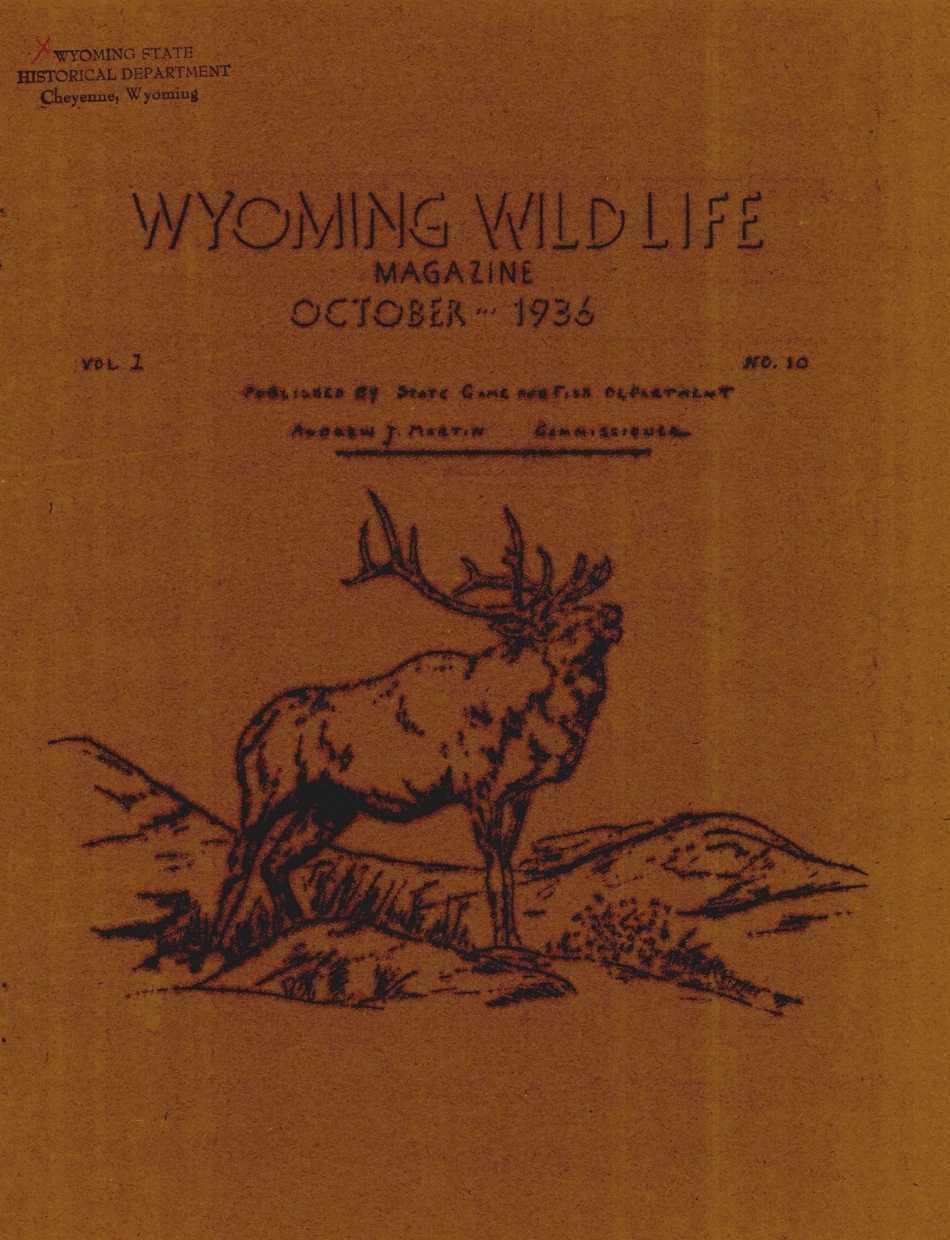
FIRST REDESIGN AND WWII SUSPENSION 1939-54
The original look of Wyoming Wild Life didn’t last long. In 1939, just three years after its debut, the design underwent a significant change. The February/March issue introduced a dramatically different style. Gone were the sketches on construction paper and mimeographed pages, replaced by a publication printed by the Cheyenne Printing Company, featuring photographs rather than sketches.
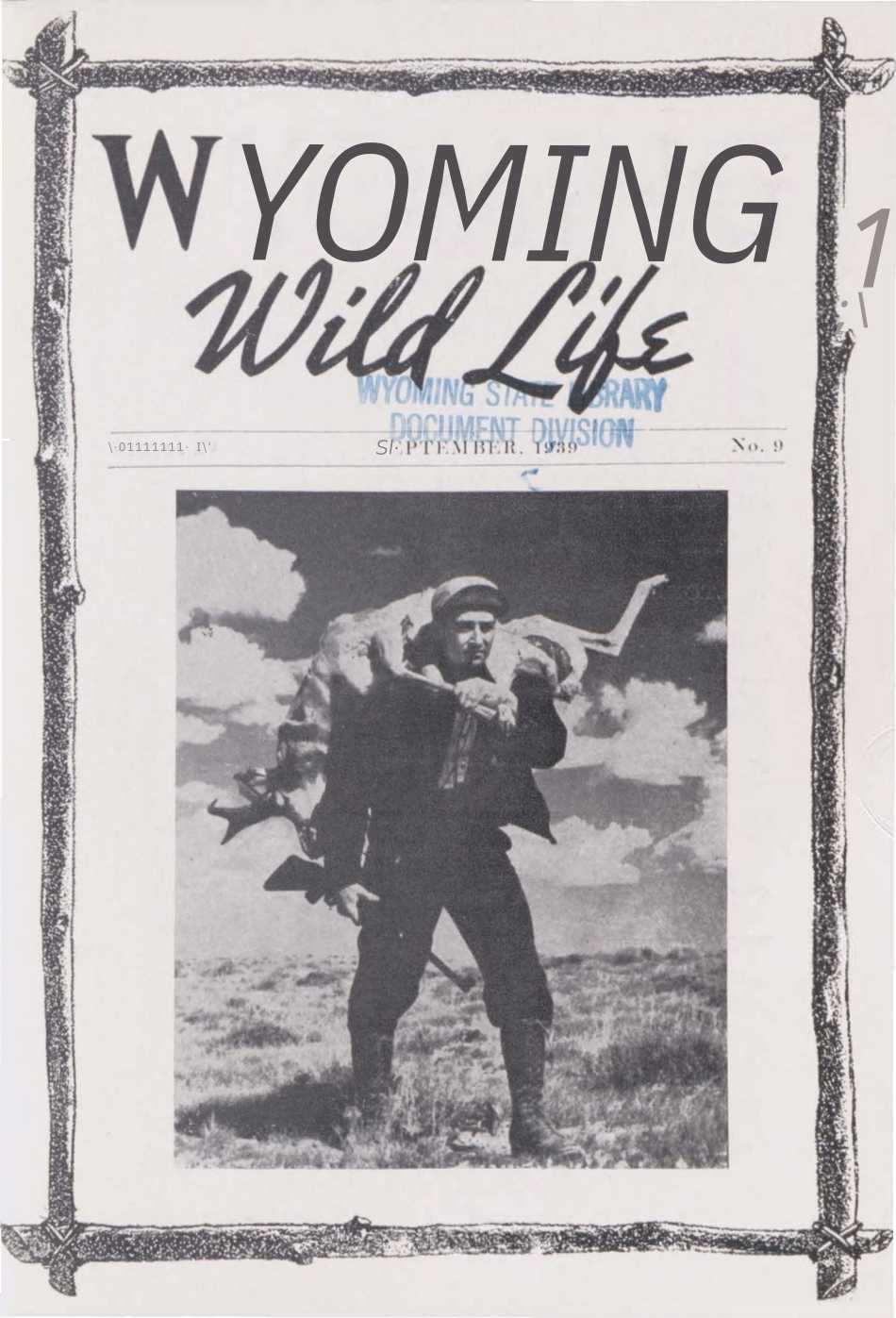
The magazine shrank from its original 8.5-by-11-inch format to a more compact size of about 6-by-9 inches, now boasting black-and-white photography throughout. The nameplate was updated from block lettering to two different fonts, with WYOMING fully capitalized and Wild Life in a loopy, cursive font. The cover photo or illustration was square or rectangular, and the entire edge of the cover had a border resembling four sticks tied together in a rectangular shape.
The articles were updated to include more content on broader conservation science and natural history. One notable new section was a “Question the Editor” column, where people could submit wildlife questions to the Game and Fish Commission and receive an answer printed in the magazine.
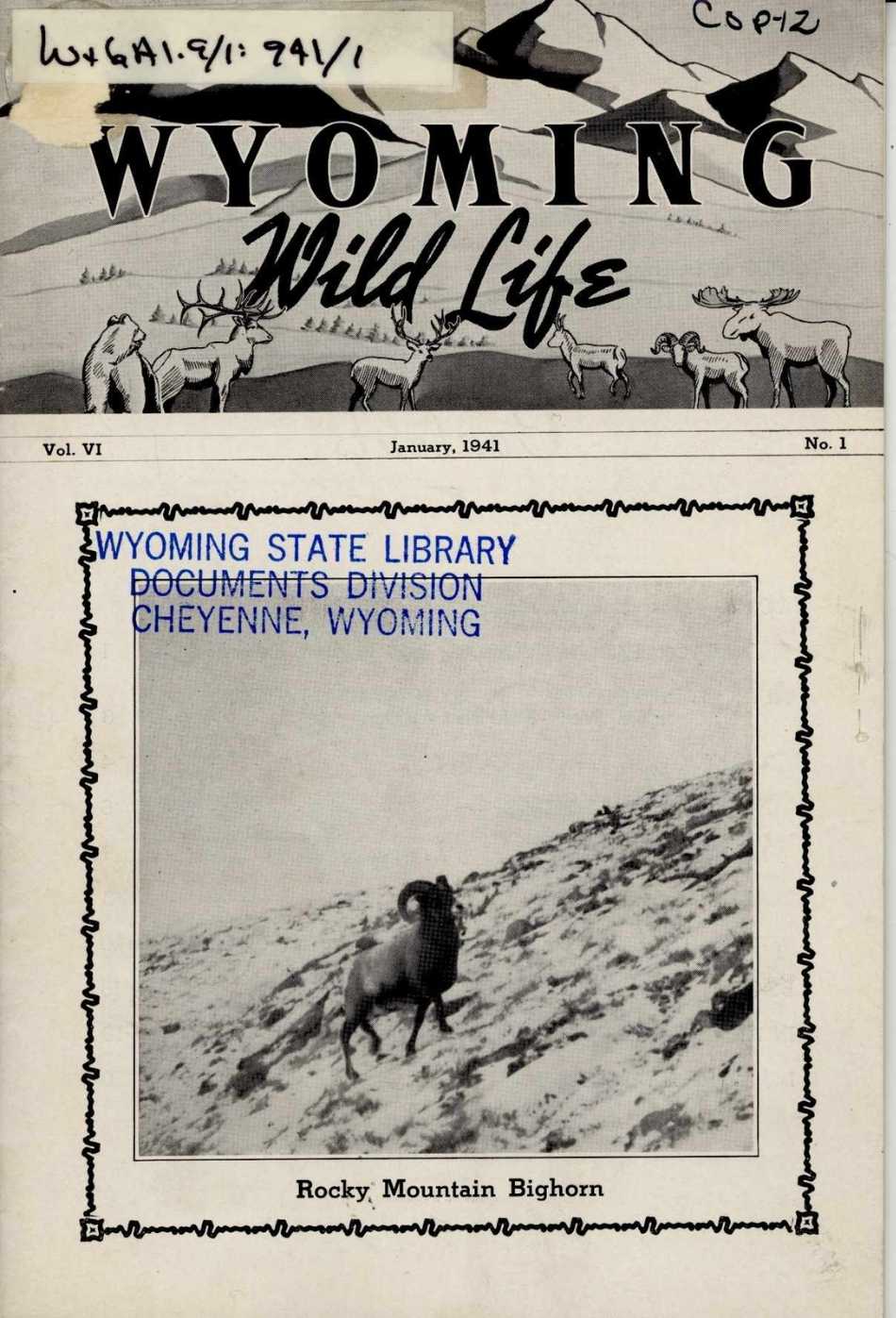
It didn’t take long for another update in the January 1941 issue. While the content remained largely the same, the cover got a facelift. The stick border was removed, and a background was added behind the nameplate, using the same fonts. The background behind the publication title included a mountain scene with sketches of a bear, elk, mule deer, pronghorn, bighorn sheep and moose in the foreground.
In 1942, Wyoming Wild Life implemented a paid subscription service. Prior to that, it was free for those who requested it. Beginning in August 1942, the magazine cost 50 cents for an annual subscription.
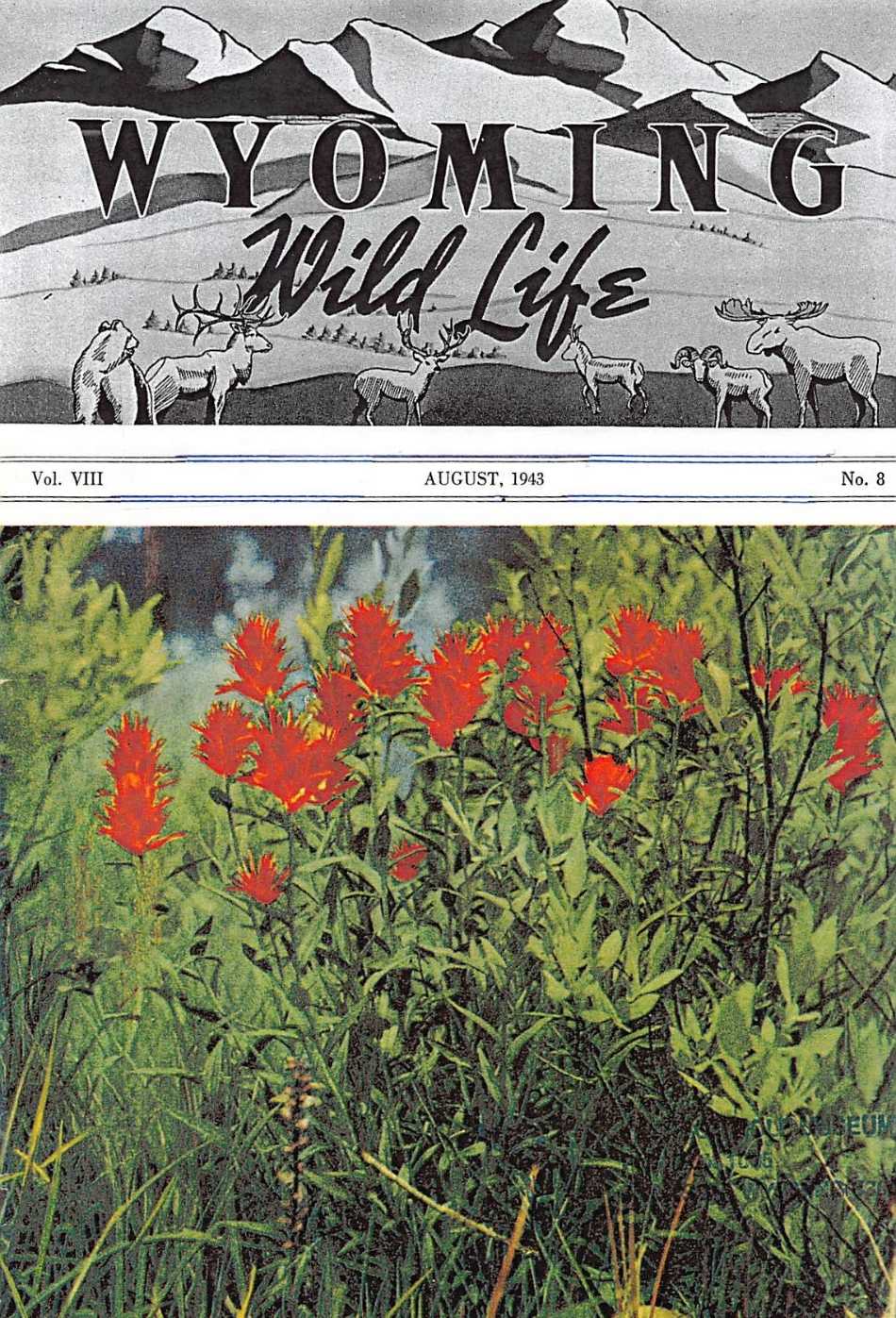
The August 1943 issue marked the first time the magazine was printed in color, although issues following it remained black and white. While most of the magazine was still in black and white, the cover image of Indian paintbrush, or “paintedcup,” was in full color, displaying a brilliant red. An article in the magazine argued that the state flower should be called the paintedcup rather than a paintbrush.
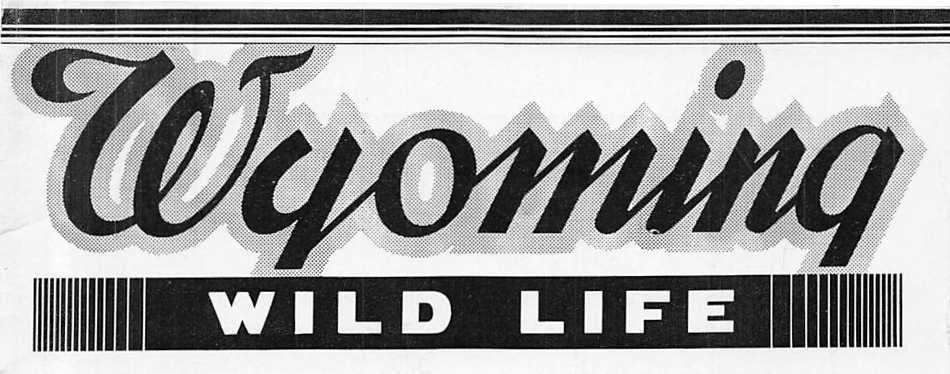
The next visual change didn’t occur until 1944, when the cover title took on a new look. The new nameplate somewhat turned the old one on its head. The word “Wyoming” was written in cursive and “WILD LIFE” was all capitalized in a blocky font. “WILD LIFE” was white and placed in a black bar that ran across the page under “Wyoming.” That new format was short-lived, however. Only three issues of the new look ran before the magazine was suspended during World War II. “Printing will be resumed on the usual monthly basis, as soon as the war emergency has ended. Upon assumption of publication, all subscriptions in force at the time of suspension will be extended automatically for the balance of their paid term,” stated an article in the March 1944 issue.
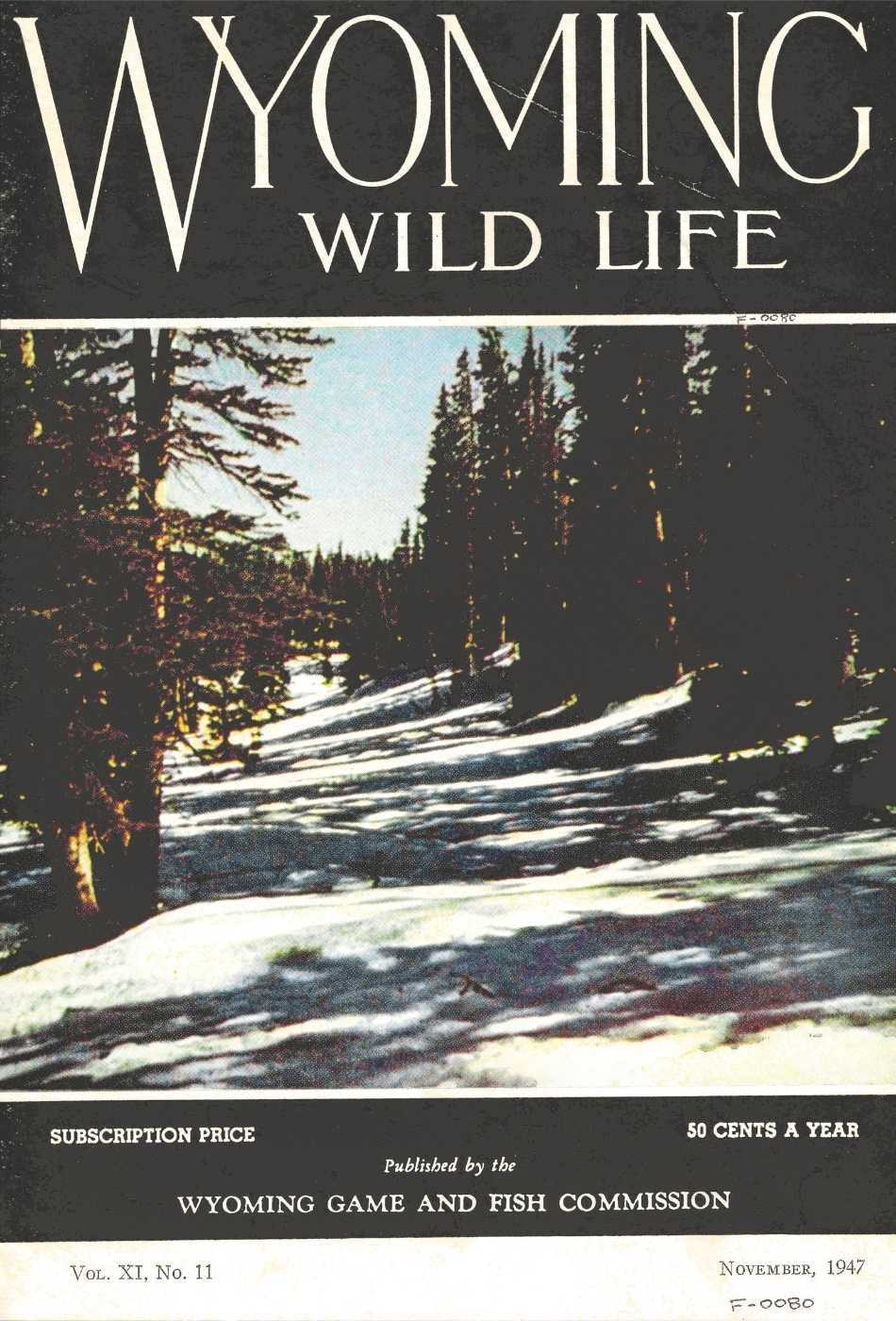
The magazine returned with a new look in January 1946. The new title showcased “WYOMING WILD LIFE” in all capital letters, now with a tall, thin font and the WY overlapping. Upon the publication's return, the price remained 50 cents per year. That remained in place until 1953, when the annual cost doubled to $1. Most issues during that time were fully black and white, although covers were occasionally printed in color, including in November 1947 when the front cover of a Snowy Range landscape and back cover of pheasant hunting were printed in color to celebrate the fall colors of Wyoming. The magazine title was displayed primarily in white text on a black background, but its appearance sometimes changed based on the cover image. For example, the December 1954 cover included a sketch of a coyote, and the sketch and magazine title were printed in blue. On other occasions, the background was gray rather than black or no background color was used and the title was black.
COLORFUL PAGES: 1955-PRESENT
The next big change for the magazine was in March 1955. Instead of Wyoming Wild Life, the magazine title was updated to Wyoming Wildlife, using the preferred single-word spelling of wildlife. While that title change was a lasting difference that is still seen today, the actual change to the magazine’s appearance was subtle. The text was combined, but the cover still looked largely the same, with the same font. Later that same year, the nameplate shrank. Rather than spanning the width of the magazine, the title was usually placed in one of the upper corners, occupying only one-third to one-half of the page width, sometimes set in a black box to make it stand out.
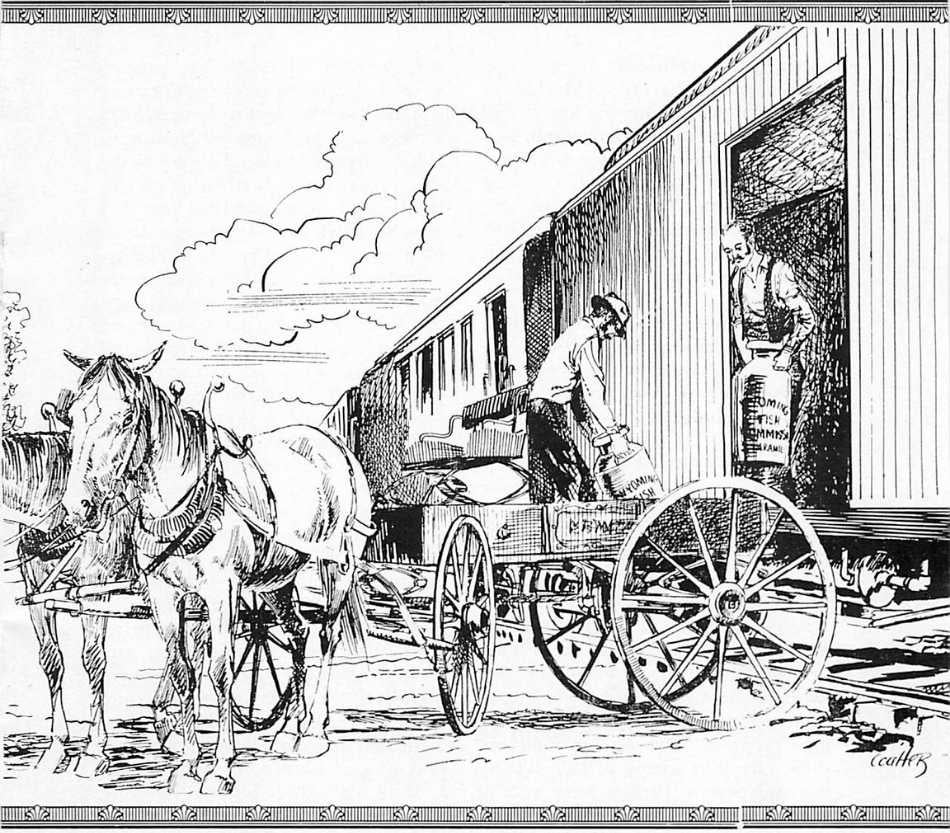
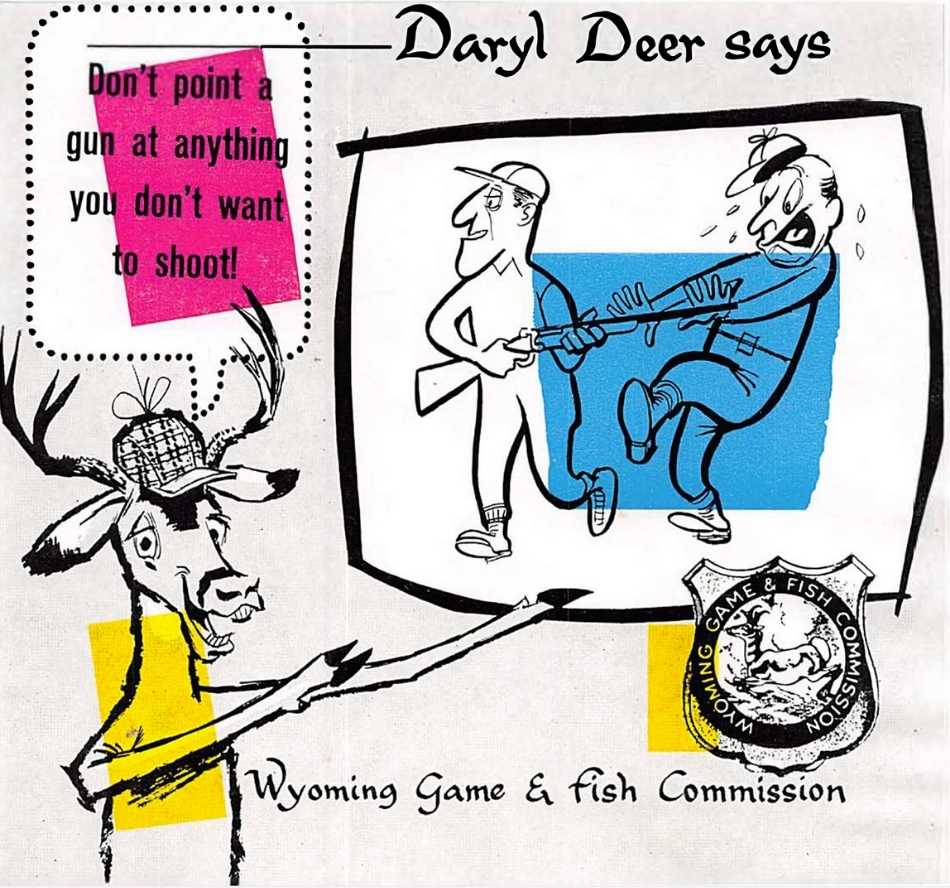
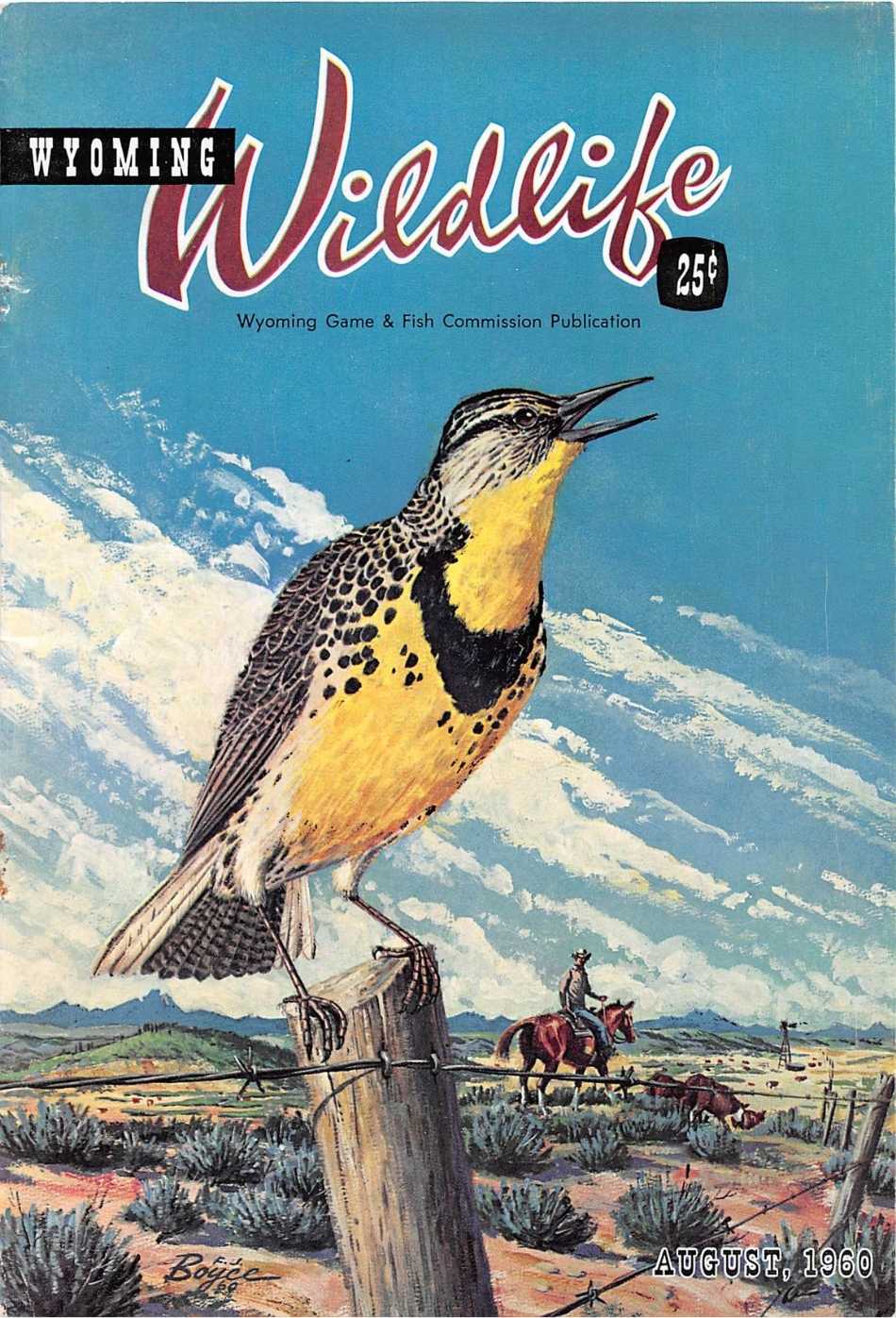
In 1957, several changes were made to the magazine’s appearance. Starting in January, the magazine began printing in a slightly larger size with the covers in full color and showcasing vibrant illustrations. A new nameplate marked the occasion, this one with WYOMING capitalized and overlapping the cursive Wildlife. In March, an added stamp marked that each issue was 25 cents when purchased outside of a subscription. Then, in September, WYOMING had a dark bar placed behind it so it stood out on the photo. The title color varied with the cover illustration, so no two covers looked the same. The inside of the magazine was still in black and white, with photos, illustrations and hand-drawn cartoons throughout. Over the next decade, the magazine maintained its look with few changes, except for the subscription price doubling to $2 per year in July 1964. In 1959, color started to make an appearance inside the magazine with pops of color emphasizing certain words or design elements.
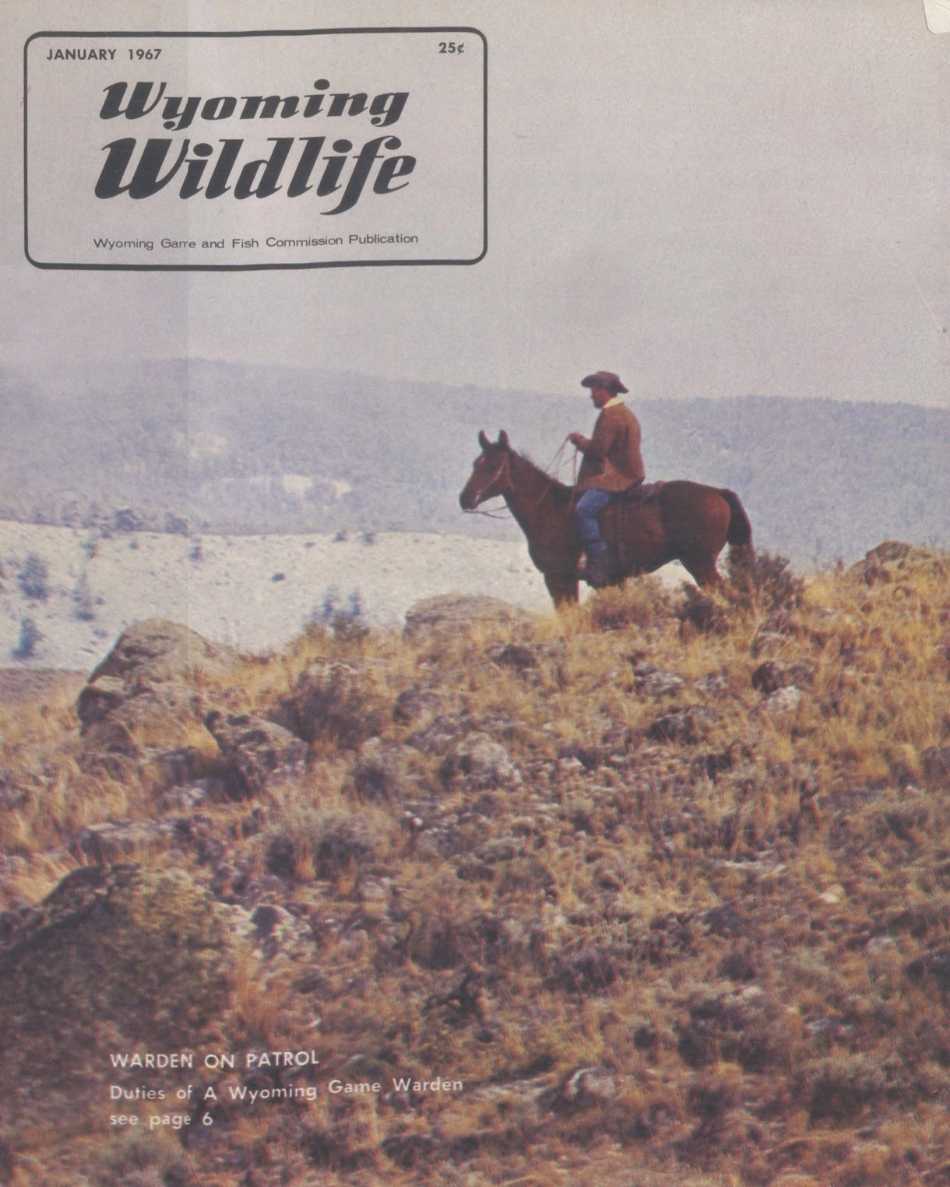
In January 1967, Wyoming Wildlife adopted a new look: a one-color nameplate, usually printed in black or white. A line bordered the title, which was placed in an upper corner of the magazine and took up less than half the page width. The magazine’s size was also increased at this time to a full 8.5-by-11 inches. The illustrated covers were once again replaced with photographs, this time in color. While many inside images remained black and white, this marked the first time articles were printed with colored photographs. As the popularity of full-color photography grew, so did the percentage of color photos in the magazine. With the exception of price increases in 1971 to $3 per year and in 1977 to $5 per year, the magazine remained largely the same for several years.
In April 1984, the magazine saw another big change on the cover. Full-color images were now becoming standard and were still used on the cover. The magazine’s nameplate got another makeover, this time placed at the top of the page and centered rather than toward the side. The word Wyoming was smaller than Wildlife, making Wildlife stand out more than the state name.
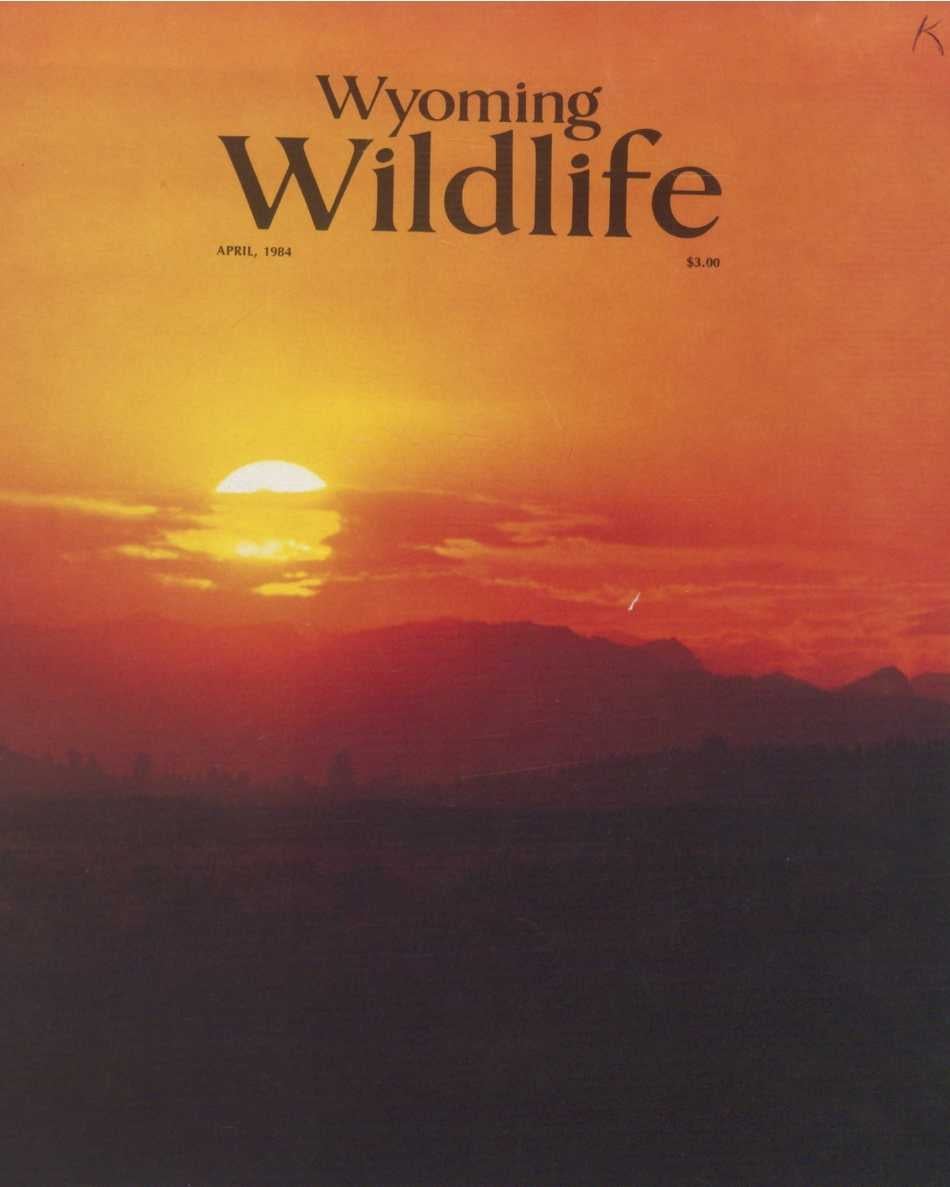
The magazine largely retained the new cover design for decades. In 1989, a slight adjustment was made to the Ws in the title, but it remained otherwise unchanged. It marked a time of stability with editor Chris Madson at the helm from October 1983-December 2013.
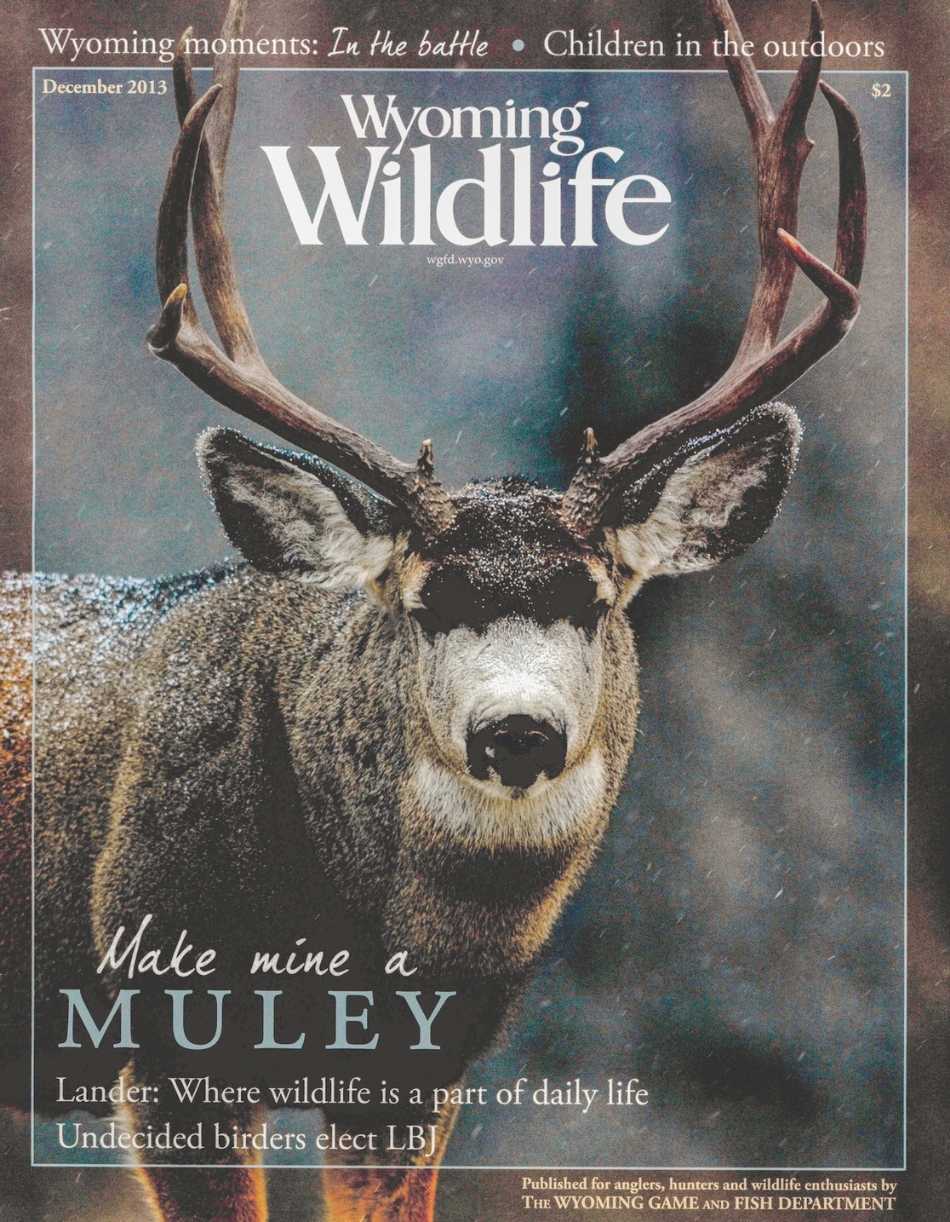
November 2013 marked the first time Wyoming Wildlife issued a calendar for the upcoming year as the November issue, a tradition that continues to this day. In December 2013, the cover received a new look, with text highlighting some of the articles inside.
Another new look was released in May 2018 when the nameplate was updated to include the title in all capitalized letters with WYOMING displayed large and WILDLIFE inside a smaller, overlapping red bar. A few changes have been made to the magazine since, including changes to article types, removal of teaser text and the addition of the Game and Fish shield on the front.
Starting with this issue of Wyoming Wildlife, readers will see a new look for the magazine from cover to cover.
“Throughout its 90-year history and with consistency, Wyoming Wildlife has effectively balanced awe-inspiring photography, impactful illustrations, thought-provoking editorial content and negative space,” said Patrick Owen, creative director for Wyoming Wildlife. “Continuing this visual tradition while drawing inspiration from contemporary design practices resulted in the visual makeup of our redesign.”
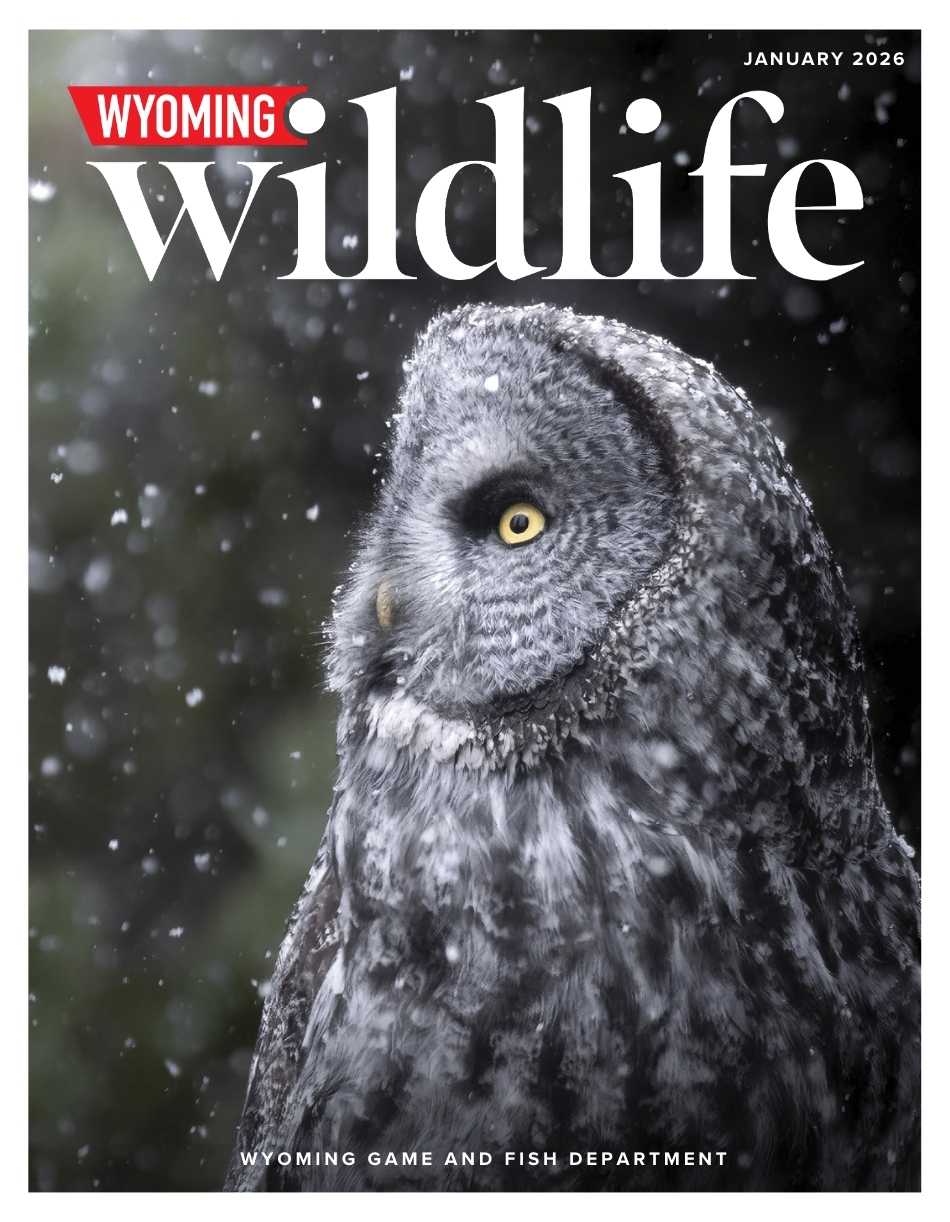
A white border on the cover and a new nameplate are likely the first things readers will notice. The nameplate includes wildlife as the larger word, underscoring the magazine’s primary focus is on wildlife. The clean and modern look blends with nods to past elements. Effective use of space will enhance the ability of visual content to tell the story, including maps, infographics, photos, illustrations and more. Readers will find familiar favorites throughout the magazine along with some new articles.
Wyoming Wildlife magazine remains the flagship publication of the Wyoming Game and Fish Department. Over the decades, the magazine has proven its significance by documenting numerous conservation milestones. From the opening of fish hatcheries and bird farms to updates in hunt areas and license allocations, the magazine has documented it all. Events like the recovery of endangered species such as the black-footed ferret and Wyoming toad, as well as new techniques and methods in conservation, all have a place in the pages of Wyoming Wildlife.
— Tracie Binkerd is the editor of Wyoming Wildlife