CHEYENNE – In a collaborative effort to improve wildlife habitat, reduce wildfire risk and help native plants recover, the Wyoming Game and Fish Department and partners will continue treating cheatgrass across portions of Albany, Carbon, Lincoln, Natrona, Platte and Sweetwater counties from mid-August through mid-September, and again in April and May of 2027.
Cheatgrass treatments
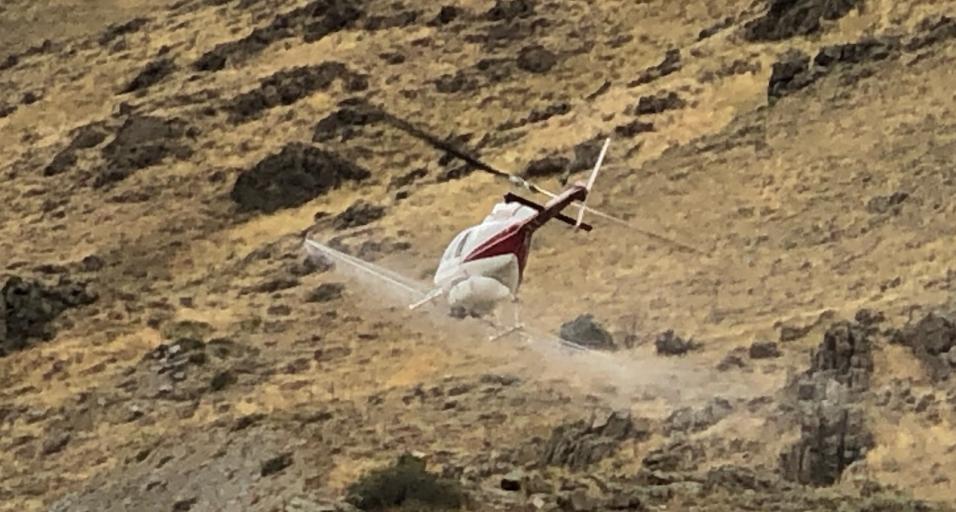
To help slow the spread, Game and Fish is working with the United States Wildland Fire Service (USWFS), Bureau of Land Management (BLM), and the Albany, Carbon, Lincoln, Natrona, Platte and Sweetwater County Weed and Pest Control Districts and private landowners to treat cheatgrass-infested areas using aerial herbicide applications.
Treatments will occur on public, state trust and private deeded lands. Depending on weather conditions and aircraft availability, applications in each treatment area are expected to take two to four weeks and will utilize fixed-wing aircraft and helicopters.
For more information on this round of treatment, including regulations and permitting, please review the BLM press release for this project.
Treatment areas include:
- Albany and Platte Counties: The Laramie Peak Wildlife Habitat Management Area and the Sybille Canyon area, including the Tom Thorne / Beth Williams WHMA, including landscapes affected by recent wildfires
- Carbon County: The Ferris-Seminoe Mountains, Pedro Mountains, Chalk Mountain, Dry Creek Rim, Bear Creek, Canyon Creek, Pennock Wildlife Habitat Management Area, Grizzly Wildlife Habitat Management Area, and west of the town of Baggs
- Lincoln County: The southern Wyoming Range
- Natrona County: Bear Mountain, Bates Hole
- Sweetwater County: Greater Little Mountain area and north of the town of Superior
Why spray cheatgrass?
Cheatgrass is a major threat facing Wyoming’s rangelands. It is an invasive annual grass that spreads rapidly across landscapes disturbed by wildfires and drought. It establishes quickly and crowds out native grasses, forbes and shrubs that wildlife depend on for food and cover. Once established, cheatgrass also creates a layer of dry, fine fuels that allows wildfires to spread more quickly and burn more frequently.
These high-intensity fire cycles can destroy slow-growing native shrub communities, like sagebrush, which can take many years to recover. In a landscape where mule deer, pronghorn, bighorn sheep, and elk rely on abundant native vegetation throughout the year, cheatgrass can further reduce access to resources and limit population growth for decades.
Recreating in treatment areas
If you plan to hunt, hike, fish, or explore public lands in these areas, you can expect to see and hear aircraft flying at low altitudes over treatment areas.
During active spraying, the public is asked to avoid treatment areas for their safety and the safety of aerial crews. Most temporary closures or delays will last only a few hours until aircraft move to another treatment area. Those making plans to hunt on WHMA’s should check the Game and Fish website for closures.
Help protect wildlife habitat
- Clean your gear: Thoroughly clean hitchhiking seeds from boots, clothing, gear, and pets before leaving the site.
- Clean your vehicles: Wash the tires, wheel wells, and undercarriages of trucks, ATVs, and mountain bikes to avoid transporting seeds into uninfested areas.
- Stay on designated roads and trails: Avoid driving off-road, as this disturbs the soil and allows cheatgrass to establish in new areas.
- Use certified weed-free forage: If traveling with pack animals, always use certified weed-free hay or pellets to prevent the introduction of weeds into healthy, intact rangelands.
For questions about cheatgrass and invasive grass treatment please contact:
- Albany County Weed and Pest Control District at 307-742-4469
- Carbon County Weed and Pest Control District at 307-324-6584
- Lincoln County Weed and Pest Control District at 307-885-9333
- Natrona County Weed and Pest Control District at 307-472-5559
- Platte County Weed and Pest Control District at 307-322-3210
- Sweetwater County Weed and Pest Control District at 307-273-9683
- or reach out to your nearest Game and Fish Regional Office
These projects were made possible with funding from the Bureau of Land Management, Bridger-Teton National Forest, Wyoming Wildlife Natural Resource Trust (WWNRT), National Fish and Wildlife Federation, Wyoming Wild Sheep Foundation, Wyoming Governor’s Big Game License Coalition, The WYldlife Fund, the Muley Fanatic Foundation, the Wyoming Game and Fish Mule Deer Initiative, the Wyoming Game and Fish Invasive Annual Grass funding, and local weed and pest districts.
- WGFD -