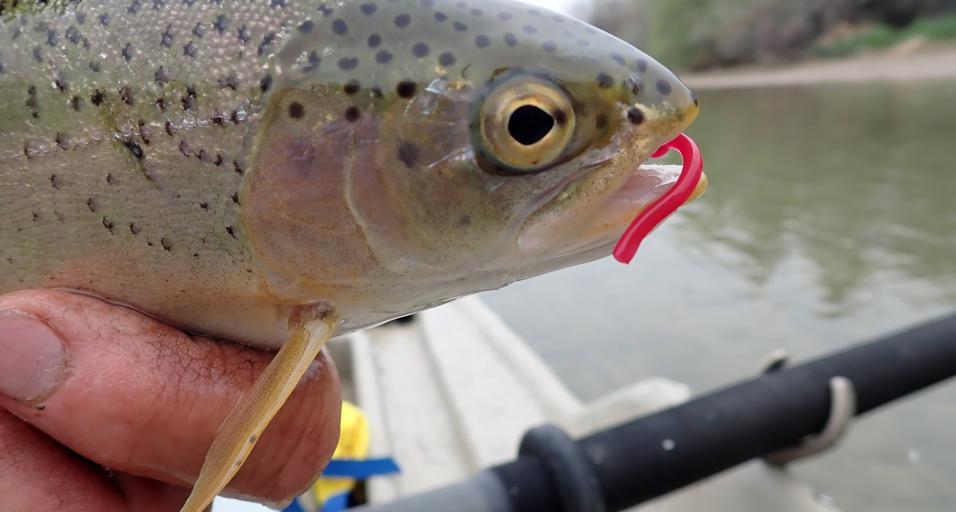
LARAMIE — The Wyoming Game and Fish Department is asking anglers to help protect two of southeast Wyoming's blue ribbon trout fisheries by adjusting their fishing practices in the summer heat. Unseasonably warm temperatures and low-flow conditions on the Upper North Platte and Encampment rivers are causing stream temperatures to regularly exceed 70 degrees in the afternoon and evening in certain areas.
Warm water contains less dissolved oxygen, making it more difficult for fish to recover after being caught. As water temperatures approach 70 degrees Fahrenheit, the likelihood of released fish surviving declines significantly. Prolonged exposure to water temperatures above 75 degrees can be lethal for trout, while brief exposure to temperatures above 80 degrees is often fatal.
North Platte River from the Colorado/Wyoming State Line to the Dugway Campground
Anglers are asked to voluntarily quit fishing on the stretch of the North Platte River that flows from the Colorado/Wyoming State Line to the Dugway Campground north of Interstate 80. Temperatures in this stretch are now above 70 degrees for a majority of the day, including some morning hours, posing a threat to trout survival. Signs explaining the voluntary closure will be posted at major public access points.
“The Upper North Platte River is our greatest concern in the region at this time,” said Caroline Rosinski, Laramie Region fisheries biologist. “The last week of warm weather has resulted in sustained high temperatures. Even in the early morning hours, temperatures are high enough that trout are not getting much of a break from the heat. The best thing we can do at this point is prevent any additional stress by encouraging anglers not to fish.”
The river will be monitored and the voluntary closure will be switched to catch-and-release angling from noon to sunrise if temperatures moderate and early morning conditions become cool enough to limit impacts to trout.
Encampment River from Riverside Bridge to the North Platte River Confluence
Anglers are asked to voluntarily quit catch-and-release fishing from the Riverside Bridge to the North Platte River Confluence on the Encampment River from noon until sunrise, when water temperatures are at their highest. Signs explaining the voluntary closure will be posted at major public access points.
“As of now the Encampment River is still cooling off significantly overnight and into the morning hours,” said Rosinski. “By voluntarily fishing only in the morning, we can avoid adding stress to trout during the times when the river is at its warmest.”
“We all love these fisheries and want to see them thrive into the future. The conditions trout are experiencing right now are tough, and anglers can have a meaningful impact by abiding by these voluntary closures.”
Temperatures on the Upper North Platte and Encampment rivers will be monitored, and these voluntary closures will be lifted or modified based on conditions. Anglers should check the Game and Fish website for up-to-date information on closures across the state.
Recommendations for fishing during warm summer conditions
Regardless of where they fish, anglers can help improve the survival of released trout by adjusting their fishing practices as water temperatures increase throughout the summer. Carrying a pocket thermometer and periodically checking water temperatures is one of the simplest ways to determine when conditions become stressful for fish.
When water temperatures reach 65 degrees, the Department encourages anglers to harvest fish in accordance with established regulations rather than practice catch-and-release. Once water temperatures reach 70 degrees, anglers should discontinue catch-and-release fishing altogether.
Additional practices that help reduce stress on fish include:
- Fish during the early morning hours when water temperatures are coolest.
- Carry a pocket thermometer to monitor water temperatures throughout the day.
- Land fish as quickly as possible to minimize exhaustion.
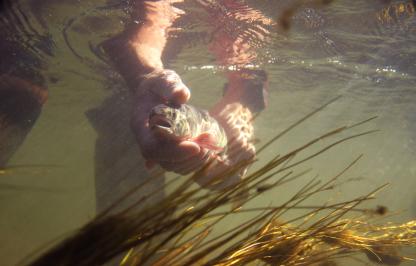
- Keep fish in the water while removing the hook whenever possible.
- Avoid squeezing fish or placing fingers in their gills.
- If a fish is deeply hooked, cut the line rather than attempting to remove the hook.
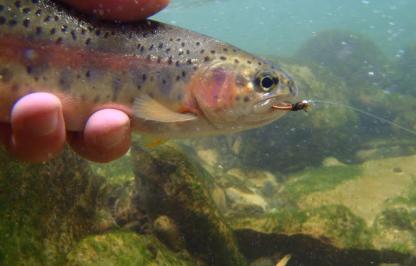
- Use artificial flies or lures and consider using barbless hooks to reduce handling time.
- If a fish is too exhausted to hold itself upright after release and regulations allow, consider harvesting the fish rather than releasing it.
Game and Fish encourages anglers to watch for the voluntary closure signs at major access points this summer and thanks the angling community for helping conserve trout fisheries across the state through responsible stewardship.
-WGFD-