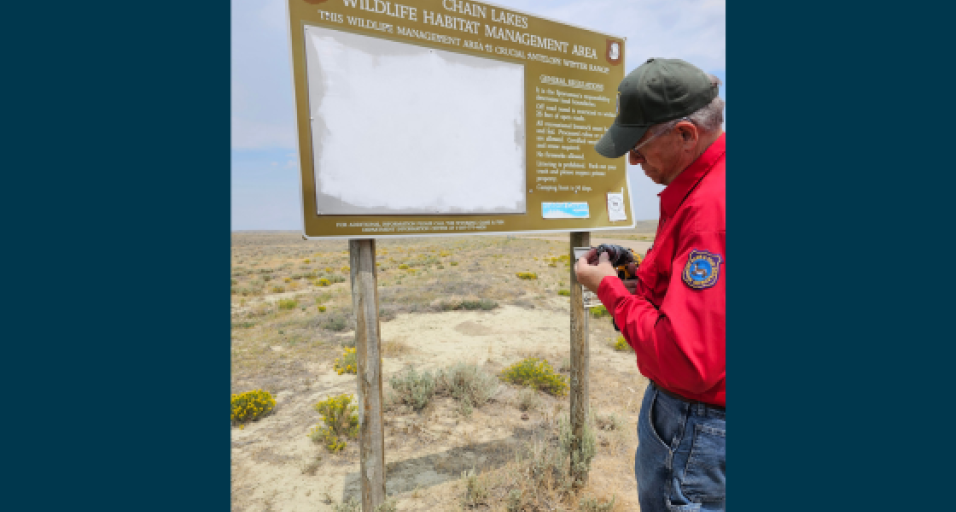
RAWLINS-The Wyoming Game and Fish Department is inviting outdoor enthusiasts to discover the Chain Lakes Wildlife Habitat Management Area, a unique 62,386-acre high-desert sanctuary located approximately 32-miles northwest of Rawlins. Situated within Wyoming’s iconic Red Desert, Chain Lakes serves as a premier example of how active habitat management successfully balances wildlife conservation, industrial energy production, and public recreational access.
Understanding the mission of WHMAs
Wildlife Habitat Management Areas are specialized lands managed by the Wyoming Game and Fish Department to protect crucial wildlife habitats across the state. Encompassing more than 500,000-acres of land in Wyoming held under deed, lease, or cooperative agreement, the department maintains WHMAs to safeguard vital big game winter ranges, birthing grounds, and wetland ecosystems. Simultaneously, WHMAs secure public access to nearly 225-miles of streams and over 21,000-lake surface acres, reinforcing Wyoming’s commitment to preserving its wild heritage for hunters, anglers, and nature lovers.
A resilient landscape and unique flora
Rising from 6,500-feet at the basin floors to 6,750-feet along the Chain Lakes rim, the area is characterized by a flat-to-gently rolling steppe that receives a mere six inches of precipitation annually. Despite the harsh, windswept, and treeless environment, a resilient community of native plant species thrives here.
Sagebrush grassland communities dominate the landscape, with big sagebrush acting as an essential anchor that provides shelter for native grasses. In lower-lying drainage depressions, the vegetation shifts to hardy greasewood and saltbush, which frames a series of unexpected natural wetlands. These unique, outlet-free basins form the "Chain of Lakes" that gives the management area its name.
A sanctuary for migratory birds and big game
The combination of vast sagebrush and desert wetlands attracts a stunning array of biodiversity. Chain Lakes supports over 133-wildlife species, including 117-species of birds.
- Big game and steppe wildlife: The WHMA provides critical winter habitat and open migration corridors for pronghorn, allowing herds to move safely between seasonal ranges. A desert elk herd, coyotes, badgers, and other small or nongame mammals also utilize the area. Additionally, dense sagebrush stands offer essential nesting cover and winter forage for the iconic greater sage-grouse.
- Avian oasis: Fed by natural artesian flows and solar-powered wells, the lakes become a crucial stopover point for migrating birds. From mid-April through early June, and again in the fall, the desert transforms with migrating shorebirds and waterfowl, including plovers, sandpipers, willets, American avocets, phalaropes, herons, curlews, and yellowlegs, depend on these wetlands to rest and feed.
The importance of Game and Fish stewardship
Managing Chain Lakes requires coordination across a complex "checkerboard" pattern of alternating public and private land. To enhance wildlife habitat in the arid climate, Game and Fish personnel install and maintain solar-powered water wells, providing a dependable lifeline for wildlife. Furthermore, Game and Fish actively works to balance conservation with energy development. As oil and gas exploration expands in the western portion of the WHMA, Game and Fish oversees vital habitat restoration projects, such as replanting sagebrush communities, to mitigate industrial impacts and preserve the sanctuary's ecological integrity.
Opportunities and guidelines for visitors
Unlike many WHMAs that enforce seasonal closures to protect wintering big game, Chain Lakes is open to the public year-round:
- Wildlife viewing and photography: Peak birdwatching occurs during the spring migration from April to June.
- Hunting and trapping: Regulated hunting for pronghorn, elk, sage-grouse, and furbearers is permitted during open seasons.
- Hiking and primitive camping: Dispersed camping is allowed throughout the WHMA, with a strict 14-day limit.
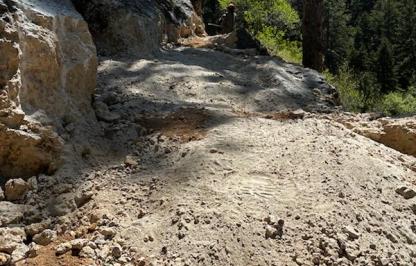
Visitor Advisory: Because the western portion of the WHMA contains active oilfield infrastructure and industrial traffic, those seeking a quiet, primitive experience are encouraged to explore the eastern side of the management area. Visitors must also monitor weather conditions closely. Roads within Chain Lakes are not plowed in the winter, and sudden rain or snow can instantly turn dirt roads into impassable mud, leaving vehicles stranded far from assistance. Chain Lakes is often described as the middle of nowhere. Please be prepared.
For maps, regulations, and more information on Chain Lakes and other properties, visit the Wyoming Game and Fish Department website or watch videos on the Game and Fish YouTube channel.